
Our year in review
By Georgia Hardy, Research Assistant
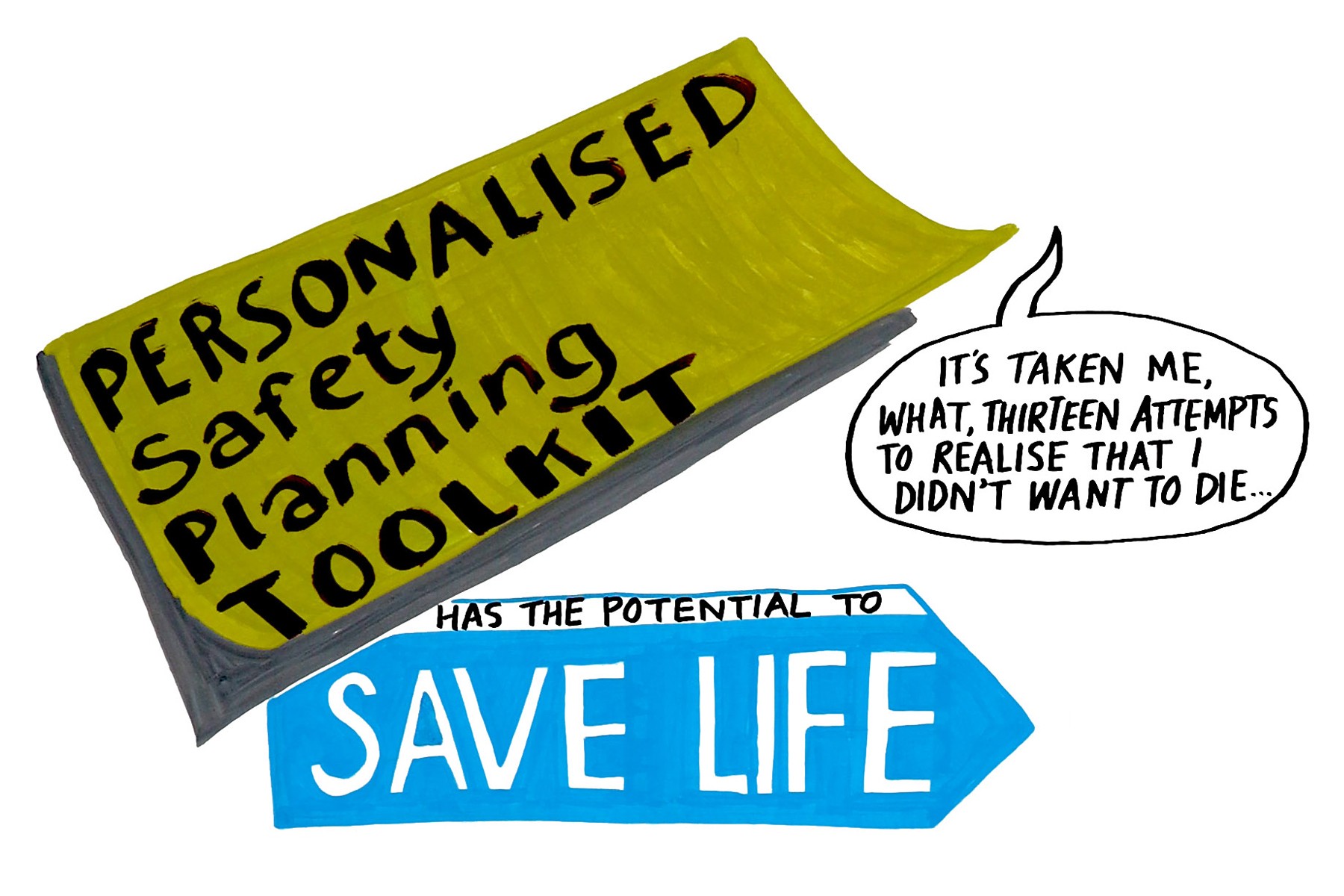
Jay’s Personalised Safety Planning Toolkit aims to improve how we support adults at risk of self harm or suicide.
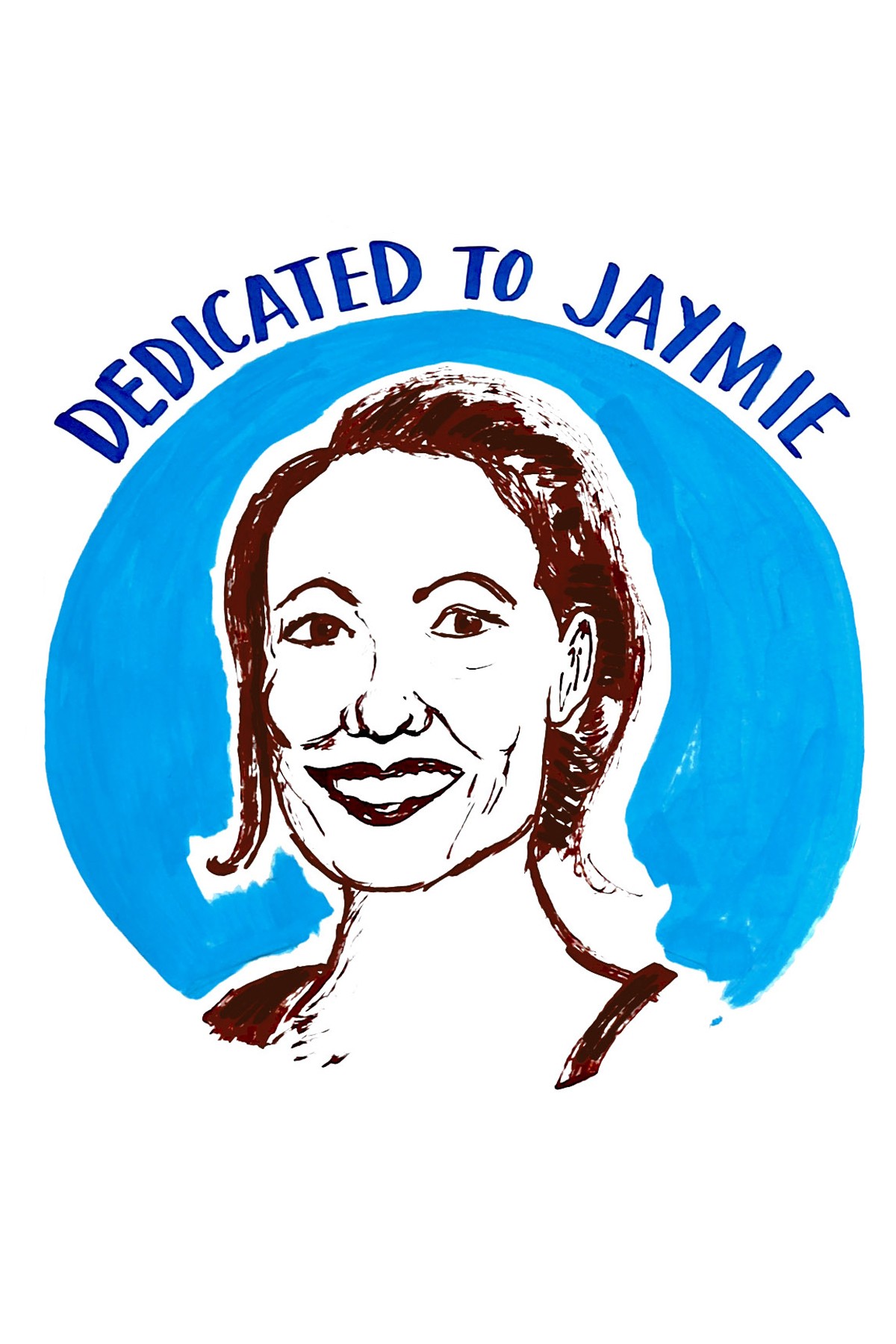
This toolkit was developed as a result of Jay’s Study. This was a study led by researchers at CNTW and the universities of Manchester, Teesside and Northumbria. The project was inspired by the family of Jaymie (Jay) Mart, who died by suicide after experiencing self-harm and seeking help from services.
Jay’s mother, Paula, has played a key role in shaping the research. She’s shared her experiences to help improve support for people during times of acute mental health crisis, and to prevent deaths by suicide.
What is safety planning?
Safety plans are designed to support people experiencing self-harm and suicidal thoughts, and to help people find ways to increase their safety.
They should be easy to access, kept by the person (for example, on paper or digitally), and shared with trusted supporters if the person agrees.
A safety plan usually includes how to:
- Recognise personal triggers and warning signs
- Develop individual coping strategies
- Identify sources of support
- Identify ways to help keep their environment safe
- Outline emergency and professional support options
How we developed Jay’s Toolkit
Then, we held focus groups with practitioners from across different health and social care settings. These explored the realities of using personalised safety planning in their current practice.
Finally, we brought together healthcare practitioners and people with lived experience of suicidal thoughts and self-harm for coproduction workshops.
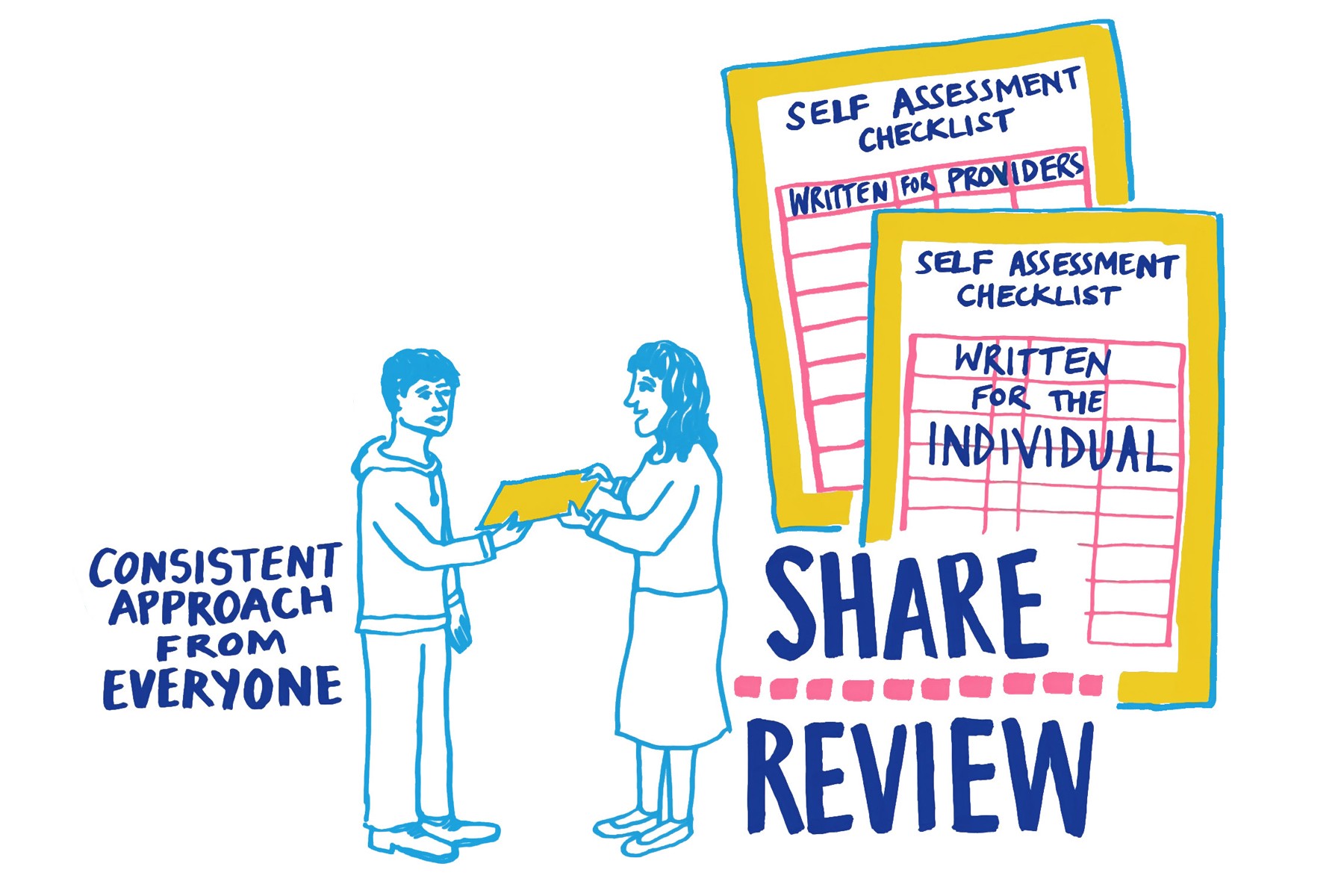
Together, they co-designed the toolkit. They also developed guidance to support its use across health and social care.
How the toolkit helps
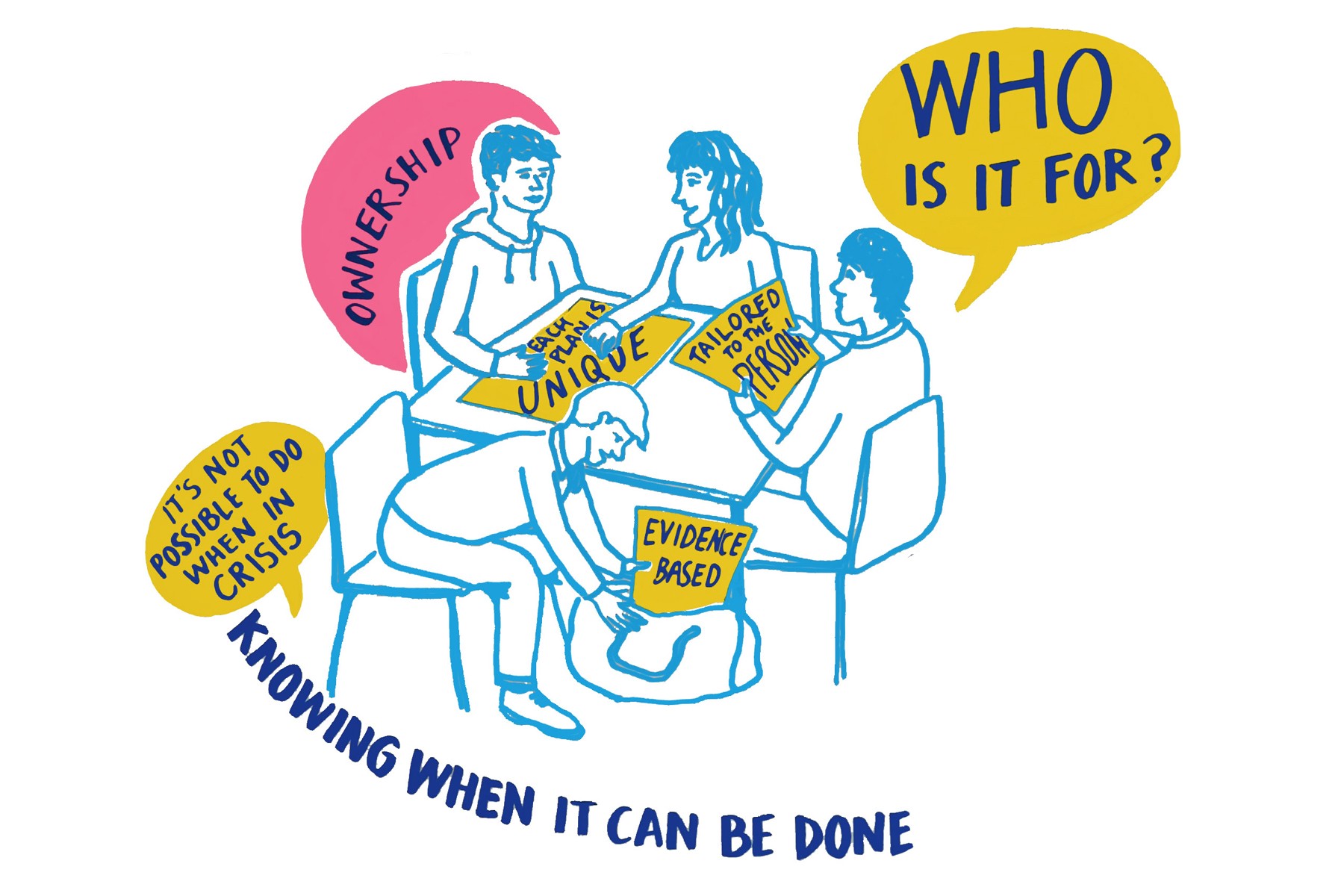
Because it has been co-designed, we're confident that Jay’s Toolkit is a good resource that will help keep people safer. The toolkit is designed so that anybody can pick it up and use it. There's no jargon in it. It offers clear, practical support.
It helps staff take a person-centred approach to safety planning. Shifting away from a ‘tick-box’ approach to genuine personalisation is key.
Having a plan is important, yes - but someone being involved in the process of developing their plan can be therapeutic, too. It helps make sure the safety plan is something they’ll actually use and feel ownership of.
Every safety plan should reflect the individual, and what helps them stay safe. And it should develop over time with the person as their circumstances change.
Safety planning is a journey, not something we do once.
Jay’s Toolkit provides guidance on how to have meaningful conversations with each person about what will work for them. You can personalise what goes in the plan, what format it’s kept in, and even how you’ll work together to develop it.
Spreading the word
During the spring we started rolling out the toolkit, letting people know about it and why it’s so important. We held ‘roadshow’ events across Newcastle, Sunderland, Teesside, Cumbria, West Cumbria, and Manchester to showcase the toolkit. We’ve had really good feedback so far. The toolkit has already been downloaded over 300 times.
What’s next
Next, we will test how the toolkit is being used. We want to understand how best to embed this into everyday practice. We’re also hoping to develop training around personalised safety planning, tailored for different sectors of health and social care. And of course, we’ll keep using people’s feedback to refine it.
Jay’s Study was funded by the National Institute for Health and Care Research (NIHR) Research for Patient Benefit Programme. The work was supported by the NIHR Greater Manchester Patient Safety Research Collaboration and the NIHR Applied Research Collaborative North East and North Cumbria.
This article is part of our 2026 Annual Magazine, all around the theme of 'learning and improving'. You can read the rest of the articles here.