
Our year in review
By Cara Tabaku, Net Zero Programme Lead
Medical journal The Lancet has labelled climate change “the greatest global health threat facing the world in the 21st century.” In March 2020, CNTW’s Board joined a growing number of NHS organisations in declaring a ‘climate and ecological emergency’.Over the past five years, despite all the challenges and pressures the NHS has faced, we’ve made good progress towards delivering low carbon, sustainable healthcare.
Our ambition to be ‘sustainable for the long-term’ is a key part of our strategy, ‘With You in Mind’. Last year we published our new Green Plan, setting out the actions that we’ll take over the next three years to achieve this.
We’ve reduced our total carbon footprint by 22% since 2019/20.
7% of that reduction has happened just in the past year.
This puts us on a strong trajectory to meet our interim target to reduce it by 47% between 2028 and 2032, and onwards to Net Zero by 2040.
So, how have we done it?
More efficient buildings, lower energy costs

31% reduction in electricity use since 2019/20
Energy use makes up most (87%) of our carbon footprint, so reducing this is a priority. And using less energy also means lower bills.
We have made significant improvements over the past few years by making our buildings more modern and efficient. We have installed LED lighting, upgraded Building Management Systems, new energy metering, new efficient refrigeration equipment for our catering department, window replacements and better insulation.
These seemingly smaller projects can add up. For example, last year, we upgraded all lighting at Walkergate Park to efficient LED bulbs (thanks to NHS Decarbonisation grant funding). This has reduced our electricity use by 27%, saving £53,000 off our electricity bill.
Supporting the transition to EVs
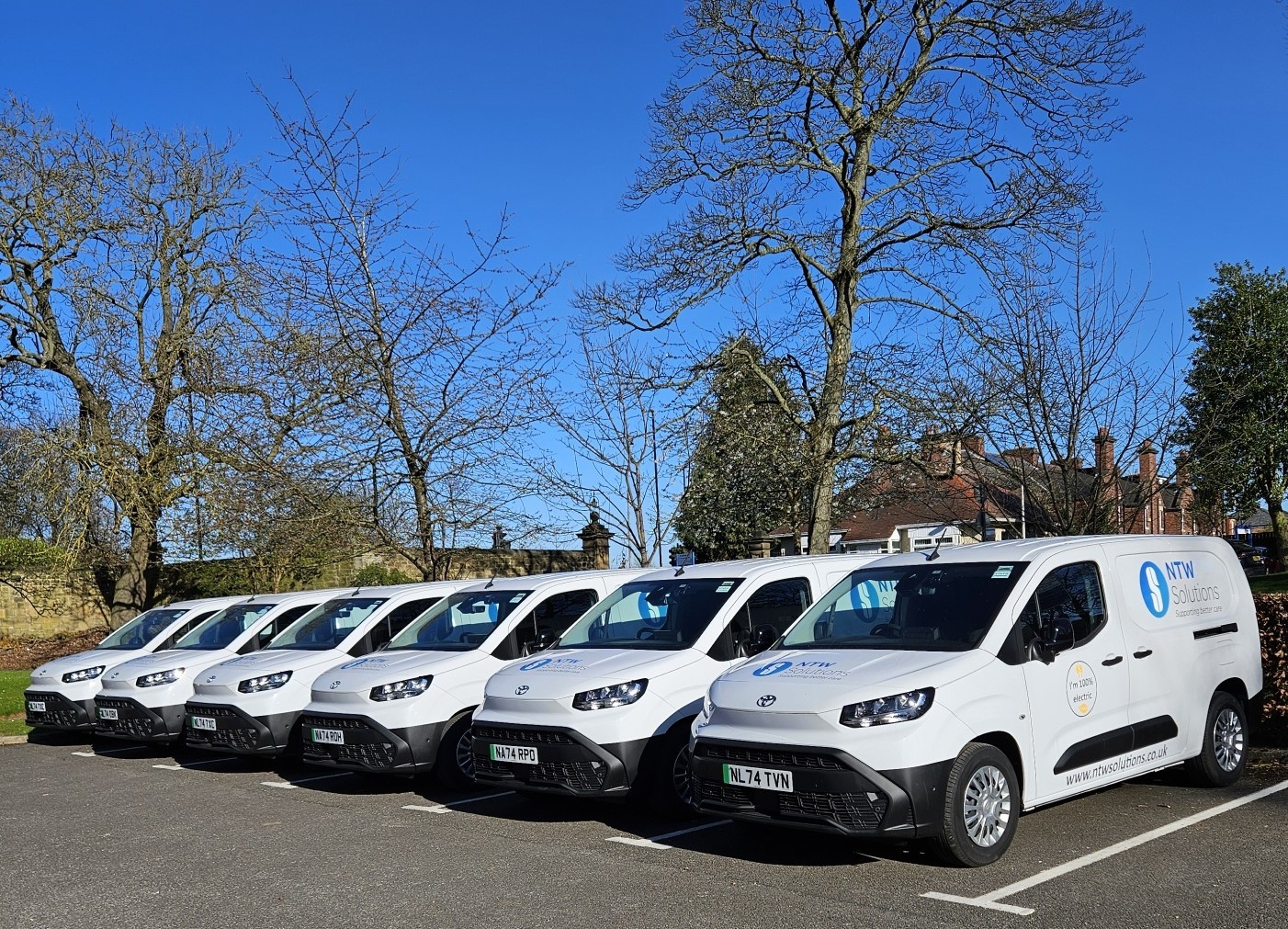
70% of the vehicles in our fleet (i.e. the vans, pool cars etc. that we own) are now electric vehicles (EVs). And the ‘nearly new EV’ salary-sacrifice lease car offer from NTW Solutions has proven popular, making lower carbon car options more accessible for staff.
To support people’s transition to electric vehicles, we’re upgrading the EV chargers in our car parks. We recently secured external grant funding to install 60 more chargers across 12 sites, which staff and visitors can use.
Safely reducing medication waste
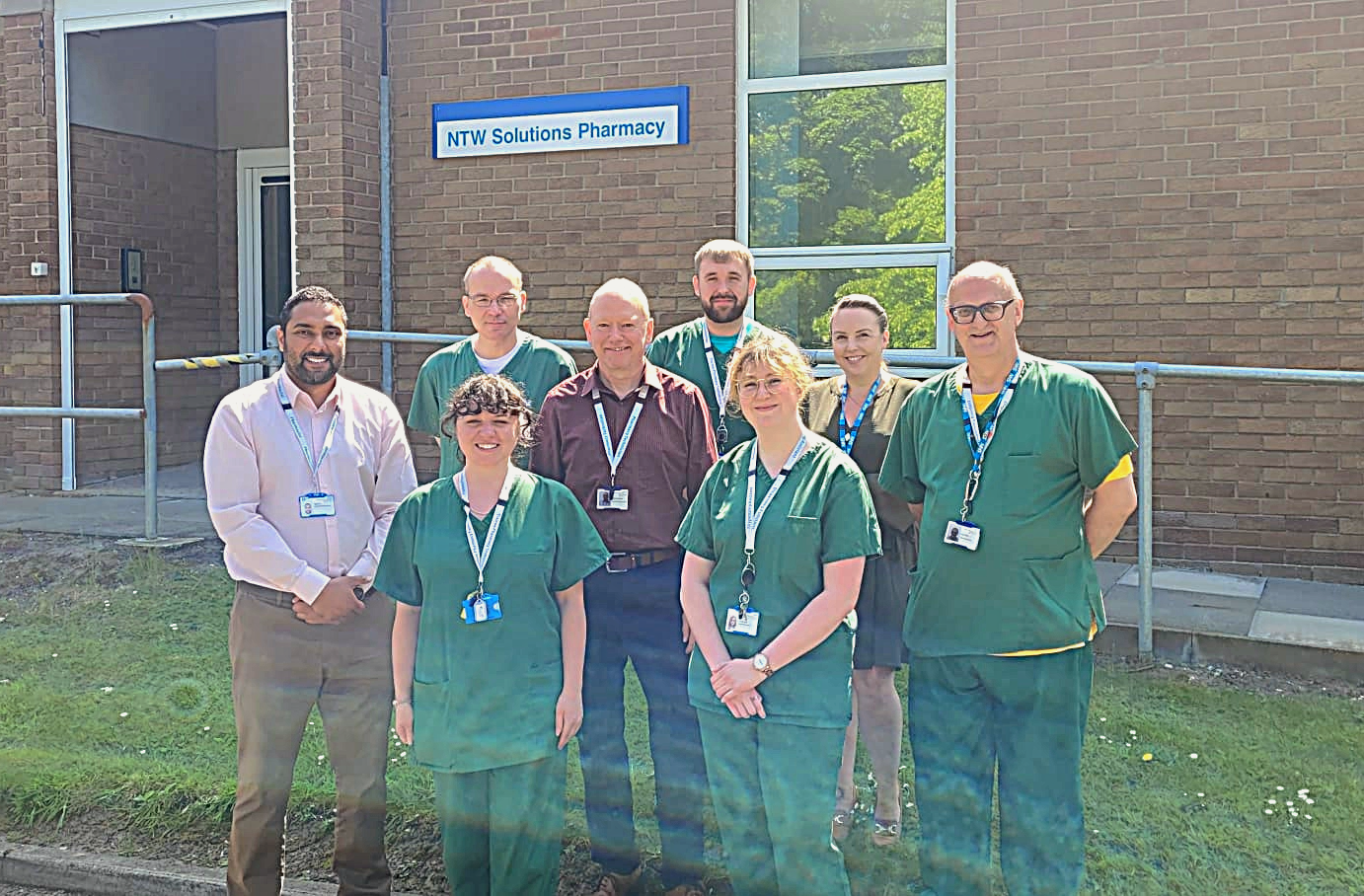
In April 2025, our Pharmacy team launched an innovative project to allow them to safely reuse medication which has been returned unopened to the pharmacy. (The previous system meant that any returned medication was incinerated.)
Safety factors made this a complex project – the team had to navigate pharmacy legislation, regulatory and professional bodies, and internal processes.
But thanks to their efforts, we have so far been able to safely re-use medicines worth over £100,000.
This article is part of our 2026 Annual Magazine, all around the theme of 'learning and improving'. You can read the rest of the articles here.