Our year in review
By David Storm, Nurse Consultant
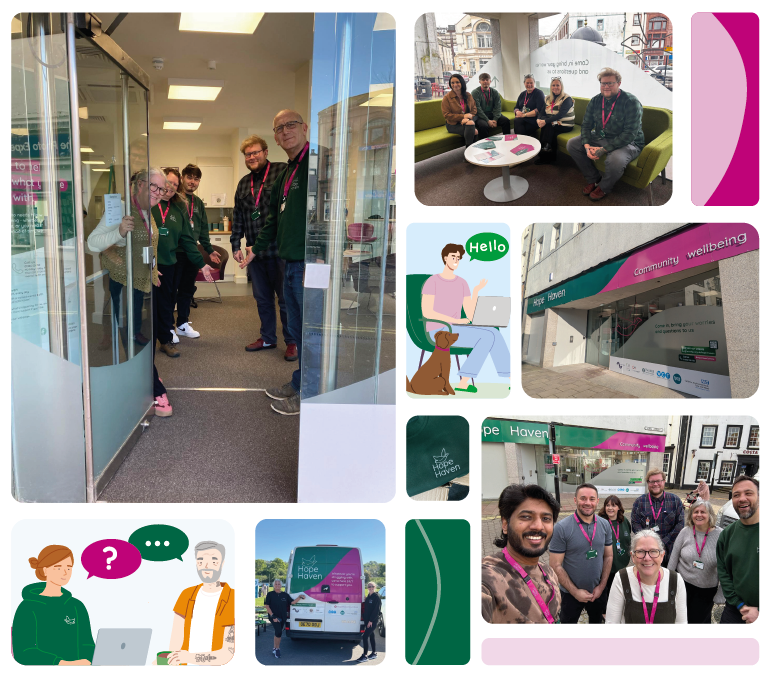
It’s one of six ‘neighbourhood mental health centres’ in a national pilot by NHS England. This is Hope Haven.
The biggest thing that sets Hope Haven apart is that it’s so easily accessible. People can just walk in, book online, or ring us. No need to meet certain criteria or ask a
professional to refer them. They only need to tell their story once.
Then, we pull different services and people around to support them, so they don’t need to go to other places.
Changing the culture at CNTW has probably been the hardest part. Teams are used to saying, “this is what we do, and this is not what we do.” Having our teams, and our partners, working as one has been very important. We’re all quite set in our ways, and we’ve had to work at it to undo these so we can focus on the person.
We have to have the confidence to walk away from the barriers and rigid systems we’ve created around ourselves. Some people were worried that we’d be overwhelmed. But we haven’t been.
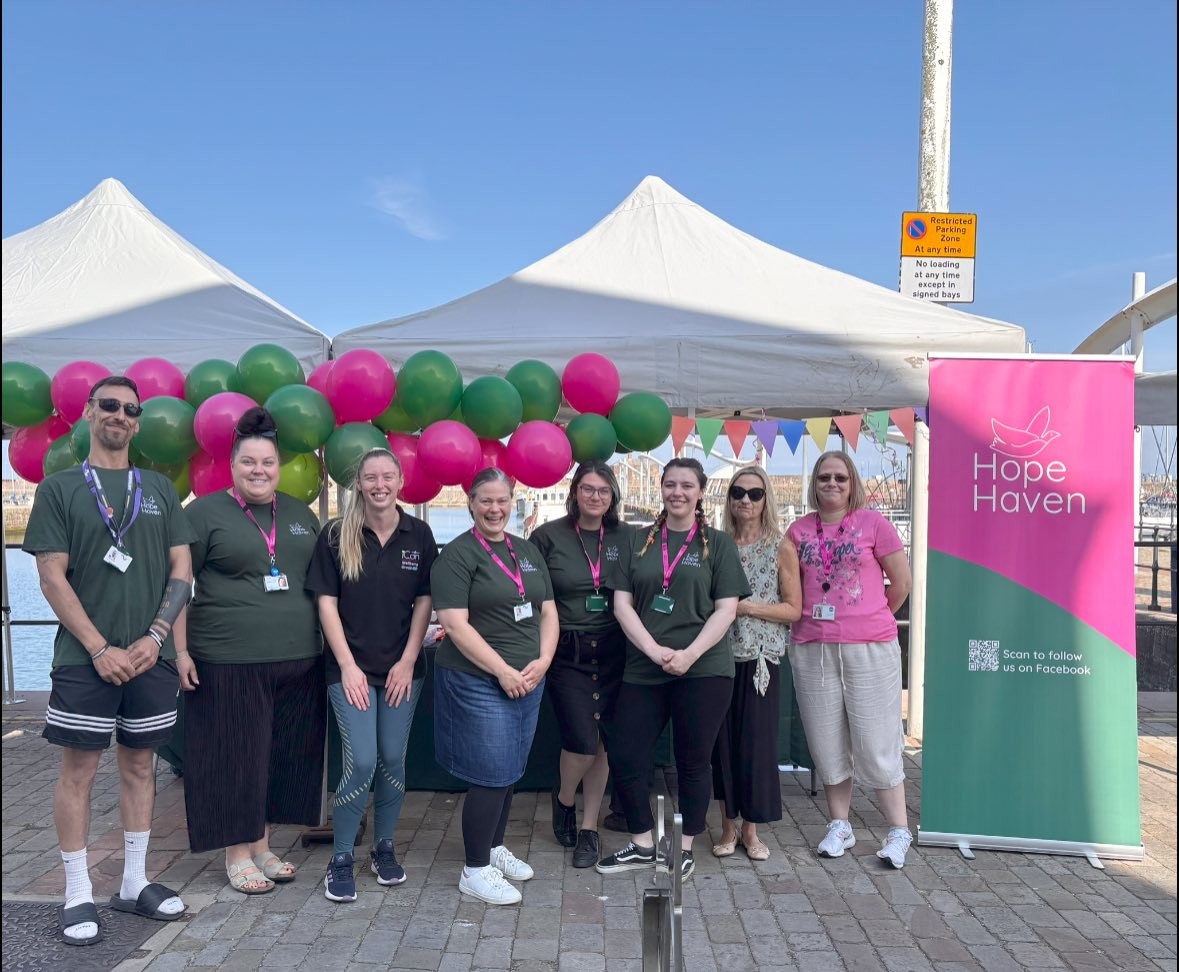
We wanted Hope Haven to engage and enthuse the local community – and that’s been very successful. The support of the Communications teams at the partner organisations has been absolutely vital. Now, local people are so enthusiastic about Hope Haven. It's very different to how communities have perceived mental health services in the past.
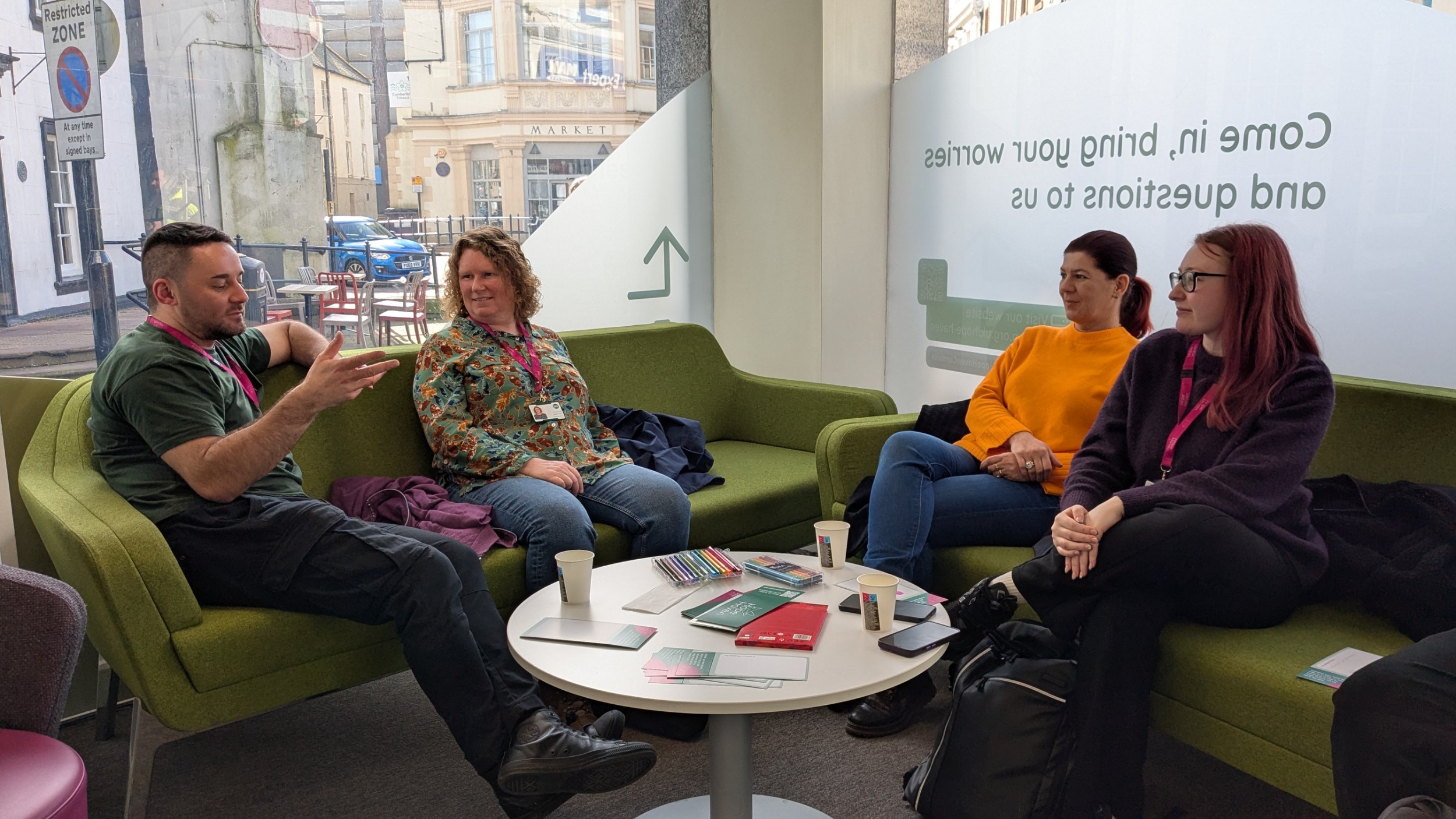
We have also learned how important all of the ‘softer stuff’ can be. We’ve launched a Chatty Café, hosted an artist-in-residence, taken part in local arts festivals, and lots more. Those are the things that people are engaging with in a completely different way. They give people a new way to explore and support their mental health, focussing more on wellbeing. It’s helped local people change the narrative about mental health.
Our Home-Based Treatment Team’s caseload has reduced; because people can easily access help much earlier, they’re not reaching crisis point. And folk who might have gone to A&E before are coming to us instead.
Since January 2026:
Over 2000 people have received support.
A quarter of those people had not engaged with CNTW’s mental health services before.
Compared to the same period (January – May) last year:
- Admissions to our adult acute inpatient wards in North Cumbria have gone down by nearly a quarter (23%).
- Community Treatment Team referrals are down by 20%.
- There has been a 30% drop in people attending West Cumberland Hospital A&E due to self-harm, and 15% fewer people attending due to mental health.
We've had some people with really complex problems come through the door - but we are able to support them. And we are giving people choice, hope and opportunities, rather than just seeing our role as being here to ‘treat’ them.
That's what this pilot model was supposed to do - but until you try it, you don't know if it’ll work.
We’re proof that it does. All you need to do is come and spend an hour in Hope Haven to see and feel the difference.
This article is part of our 2026 Annual Magazine, all around the theme of 'learning and improving'. You can read the rest of the articles here.