

What is this leaflet for?
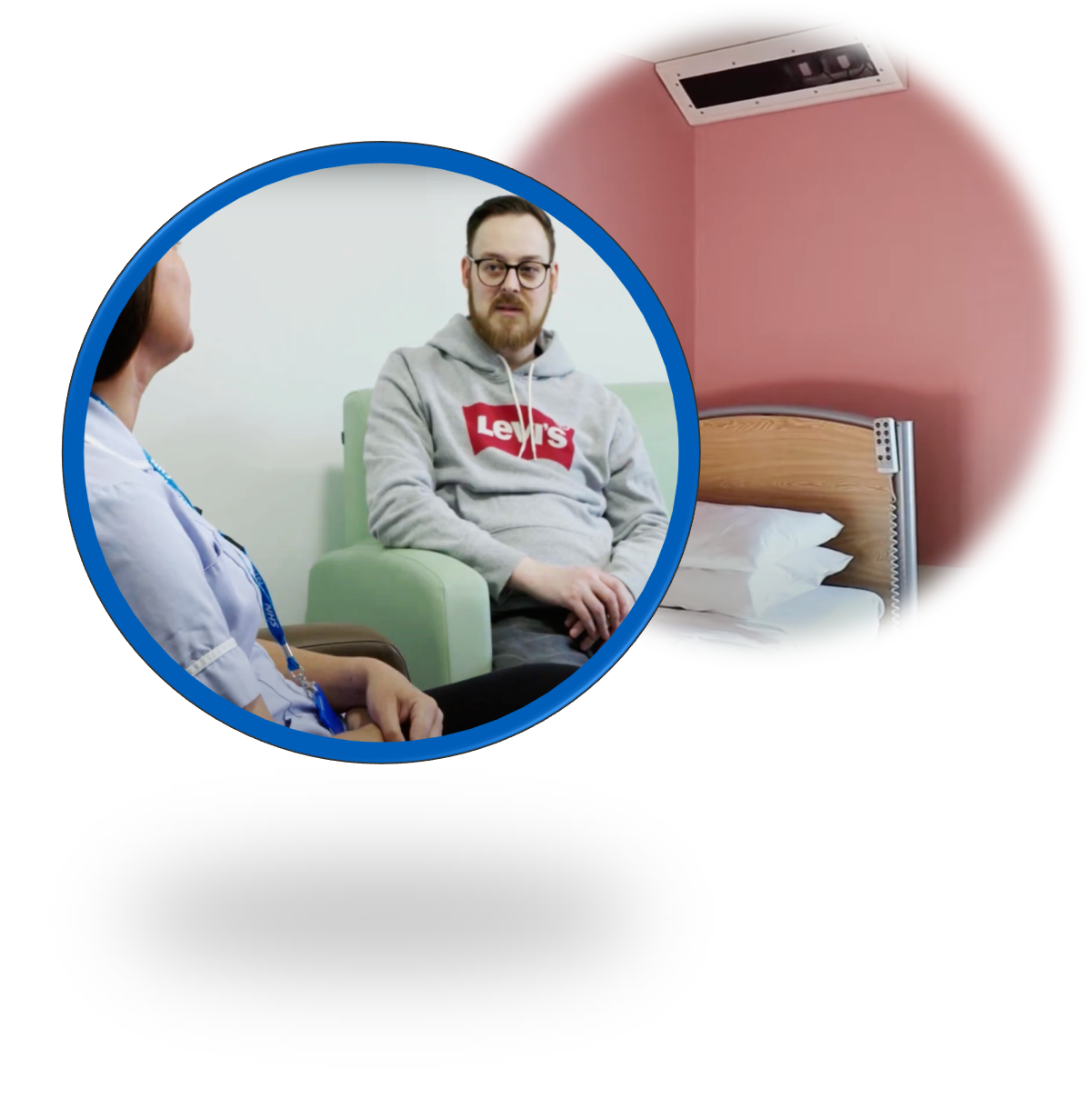
This leaflet gives easy read information about LIO, a camera to help staff care for you and keep you safe. This leaflet tells you more about how it works.

A member of staff or a carer can support you to read this. They will be able to answer any questions that you have.
What is LIO?
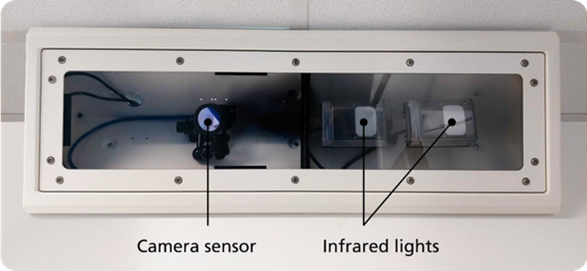
LIO is a camera that helps staff to keep you safe and well.
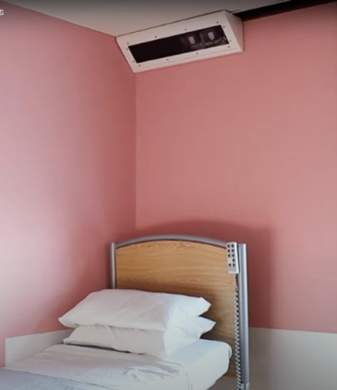
There is a camera in a box above your bed. It has a red light that can see in the dark.
This is called an infrared light. It lets staff check if you are well or not.
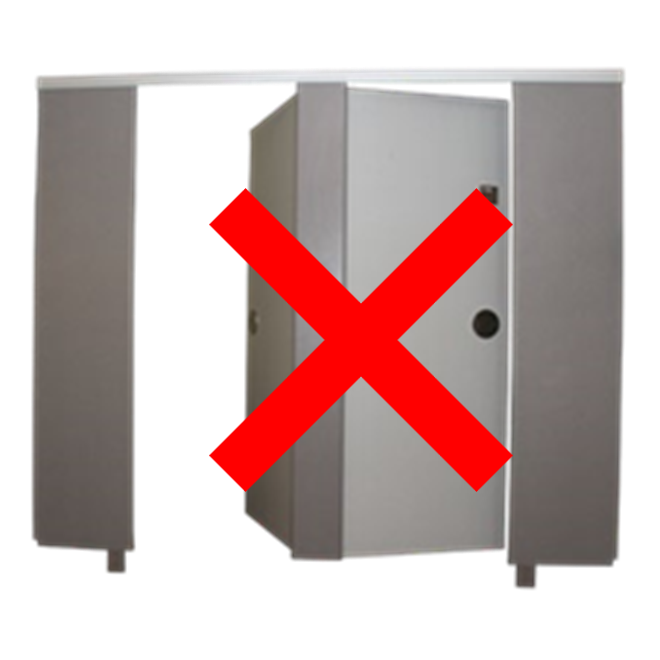
The camera cannot see into the toilet.
It does not record any sound.
How does LIO help me?
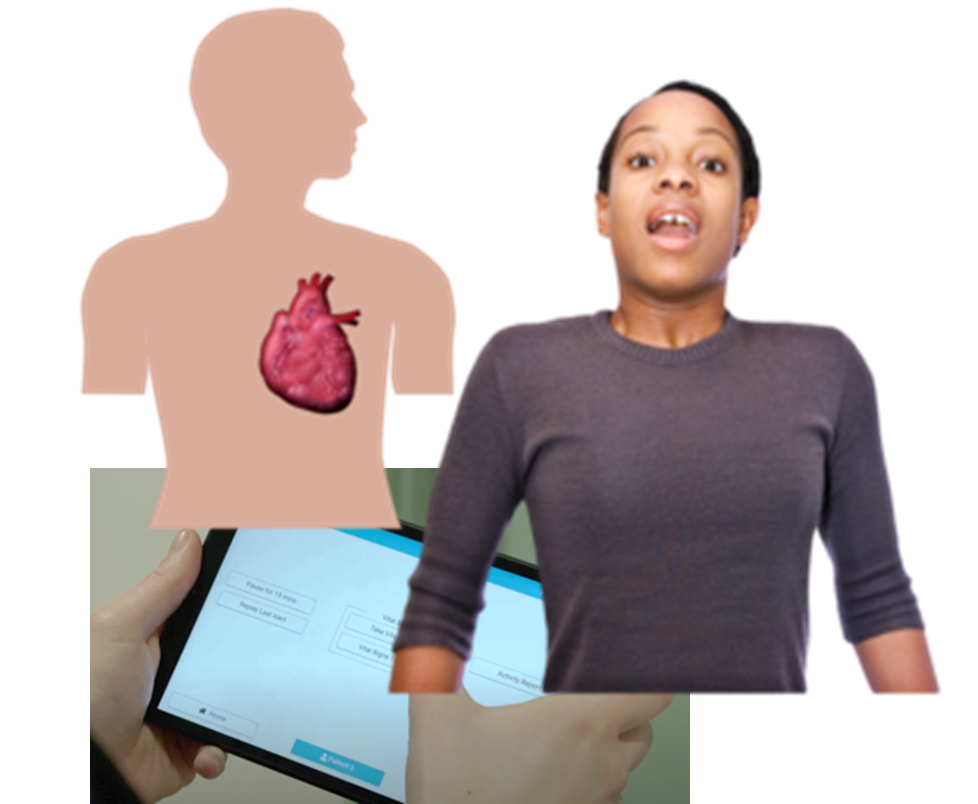
Check your physical health
Staff can use LIO to check:
- you are breathing normally
- or if your heart is beating too fast
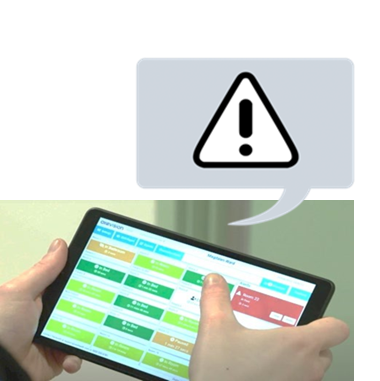
Check movement in your room
LIO will send alerts to a staff computer if there are unexpected movements in your room.
Staff will check to see if you need help.
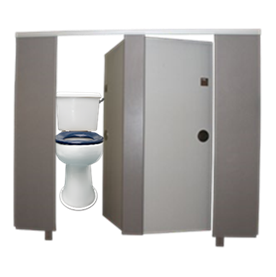
Reasons for an alert could be:
- if you have been in the toilet for a long time and not come out
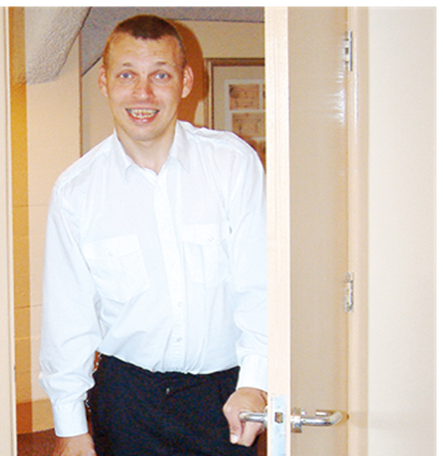
- if somebody comes into your room
- if you leave your bed
How do staff use LIO?
Getting alerts
Staff get alerts on their screen.
They hear the word ‘alert’ and can see which room it comes from.
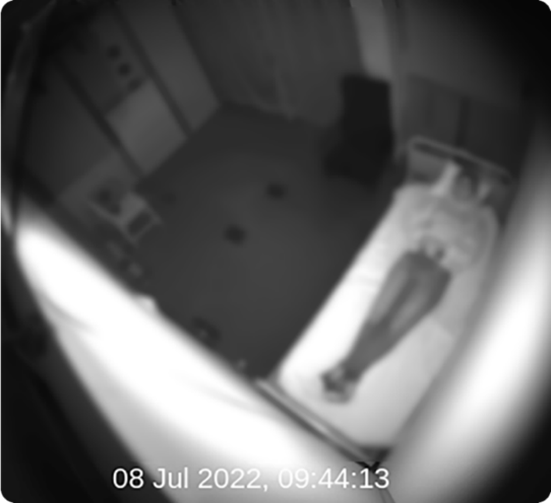
When staff get an alert they can see into your room on their screen for 15 seconds.
The film they see is blurred to protect your privacy.
Staff will come and give you support if you need it.
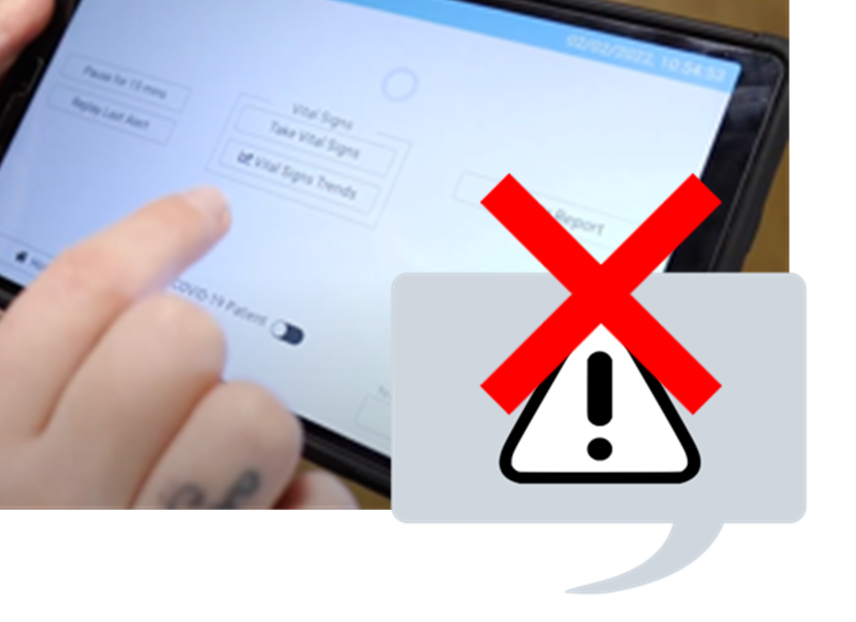
Carrying out observations
Staff do not get alerts about your pulse and breathing.
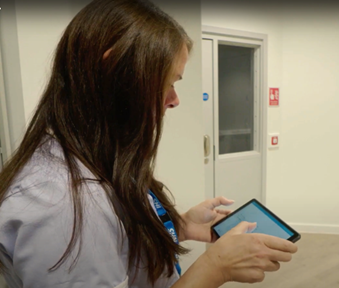
Staff only check your pulse and breathing at certain times of the day and night.
They do this on their screen.
This is called an observation.
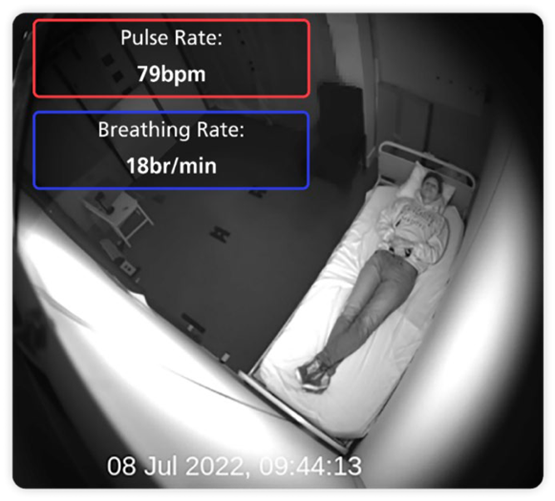
During the observation staff can only see you for up to 15 seconds.
The image during an observation is not blurred.
If staff are worried, they will come and check that you are safe and well.

LIO helps staff support you
LIO helps staff care for you.
It does not replace staff.
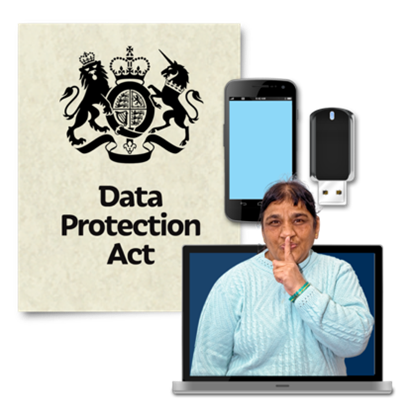
How we protect your information
There are special laws and rules that tell us how we must keep your information safe.
This includes how we can use, delete and share your information.

You can ask your nurse or ward manager any questions.
They will explain everything to you.
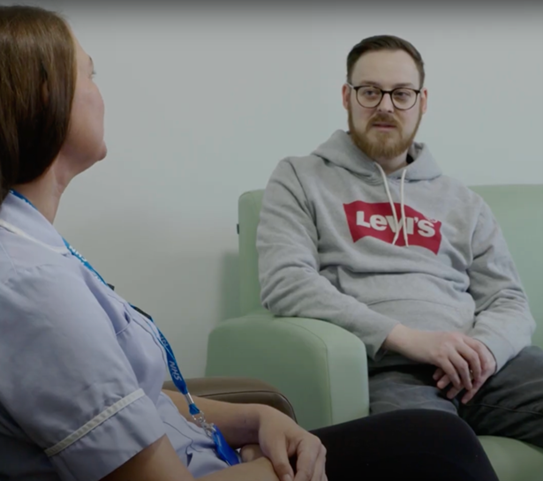
When will LIO be turned on?
Your named nurse will talk to you about LIO and how it can help you.
They will ask if you want LIO turned on in your room.
Sometimes LIO may need to be on even if you don’t want it on. This only happens if there is a big concern about your safety.

Your family or carer may help the staff team make this decision if you cannot.
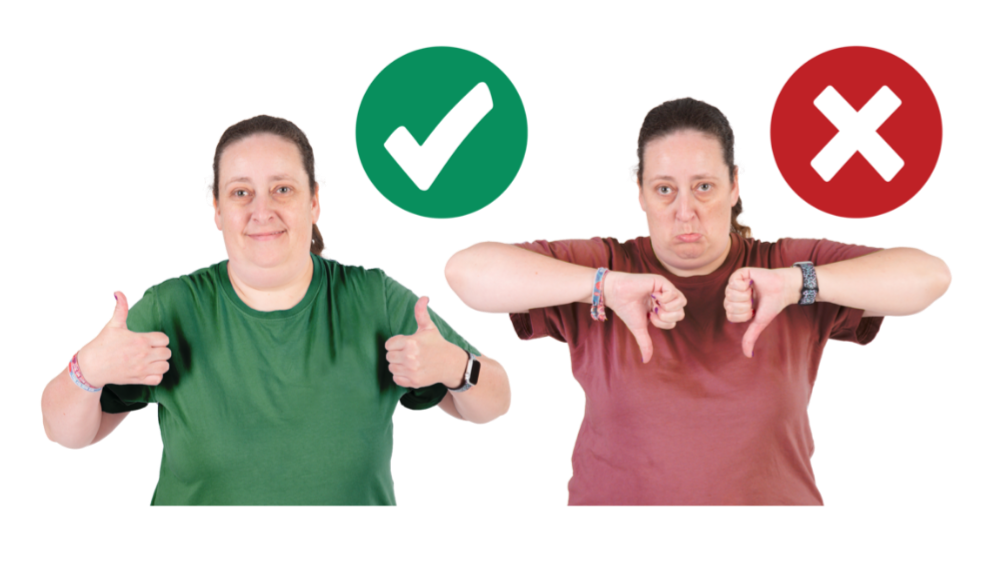
You might change your mind about using LIO. You can talk to your named nurse about it at any time.
Staff will talk to you again about LIO if you need to stay in a seclusion room or in a Health Based Place of Safety.
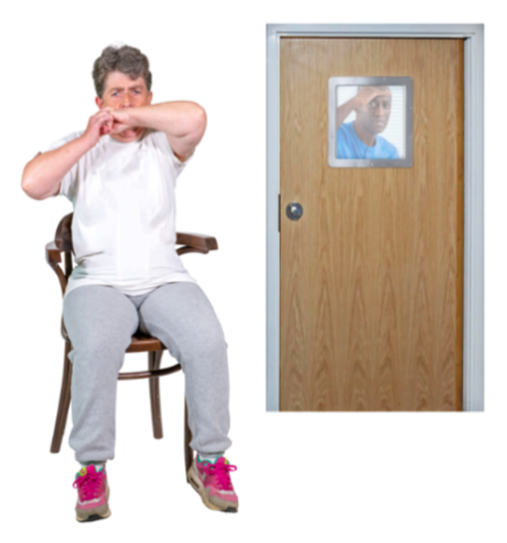
Seclusion is when you are in a room away from other people to keep you or others safe.

A Health Based Place of Safety is a safe place.
A police officer can take you there.
This happens if you are unwell with your mental health in a public place.
At the safe place, staff will check how you are and help you.
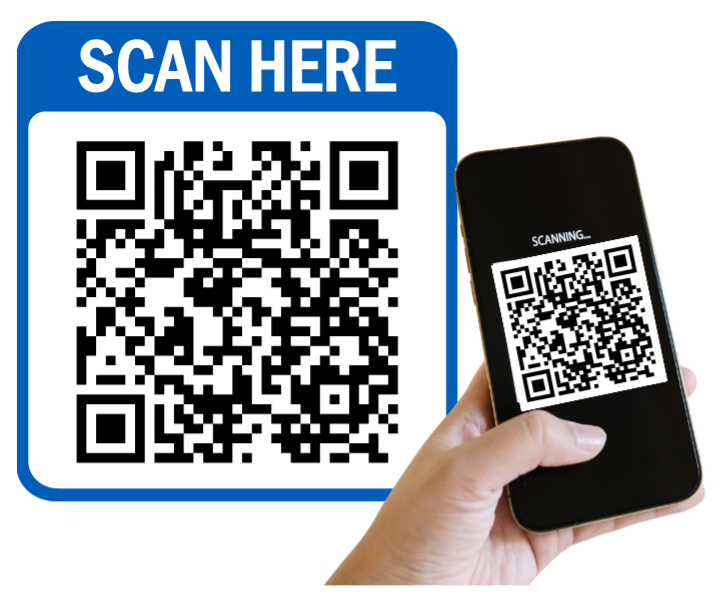
Watch the LIO film
You can watch a film about LIO.
Point your phone camera or tablet camera at this square, called a QR code.
Tap the link to youtube.com that will come up on your screen.
This will take you to the film.
You can also click on the video below to watch the film:

What if I have any questions?
Always talk to your named nurse if you need more information.
They are here to help you understand what is happening.
If you are worried about how we keep you information safe, talk to a member of staff or visit our website: www.cntw.nhs.uk/data-processing-notices

You can also email our Data Protection Officer
DPO@cntw.nhs.uk

Problems, complaints or suggestions
Cumbria, Northumberland, Tyne and Wear NHS Foundation Trust has a complaints policy.
We will give you a leaflet about how to make a
complaint.
If you think that we could improve our service, let a nurse know your idea.

You can get more information about this leaflet from the Patient Information Centre. This includes how the leaflet was made.
We can provide this leaflet in other formats. These include Braille, audio, large print, Easy Read, British Sign Language, and other languages.
We welcome your feedback about this leaflet. You can email pic@cntw.nhs.uk
Published by the Patient Information Centre
2026 Copyright: Cumbria, Northumberland, Tyne and Wear NHS Foundation Trust
Ref: PIC/962/0626 June 2026 V1
Review date: 2029
Website: www.cntw.nhs.uk Telephone: 0191 246 6800
Follow us on social media, search for CNTW