

Who?
- Carers
- Neighbours
- Volunteers
- Health professionals
- Friends and family
What?
If everyone offers a drink at the start of their contact (health or social).
- Tea
- Coffee
- Hot chocolate
- Malt drink
- Hot milk
- Water
- Milk
- Milkshake
- Smoothie
- Fruit juice
Why?
Together we can reduce dehydration, and reduce:
- Pressure ulcers
- Constipation
- Infections
- Confusion
- Falls
- Acute kidney injury
- Tiredness
- Headache
- Dizziness
- Lengthy of stay
- Hospital admission
Follow medical advice if fluid restricted, nil by mouth or thickened fluids.
Reproduced with kind permission or Rachael Brandreth #AHPsintoAction
Your body is mostly made of water, so staying hydrated is important for your health. Drinking enough helps with digestion, keeps your skin healthy, and makes you feel less tired and confused.
Dehydration happens when you lose more water than you drink. This can be very serious. There are two main ways it can happen:
- Not drinking enough each day, which is common for older people.
- Losing a lot of fluids quickly, like through vomiting or diarrhoea.
Dehydration can make you feel unwell and lower your quality of life. It can even send people to the hospital and slow down recovery. Dehydration can also cause:
- Infections like urinary tract infections (UTIs).
- Tiredness and confusion.
- Memory and concentration problems.
- Constipation.
- More risk of falls and pressure ulcers.
- Slow healing of wounds.
Signs of dehydration include:
- Feeling thirsty
- Dry mouth or skin
- Low blood pressure
- Feeling tired or confused
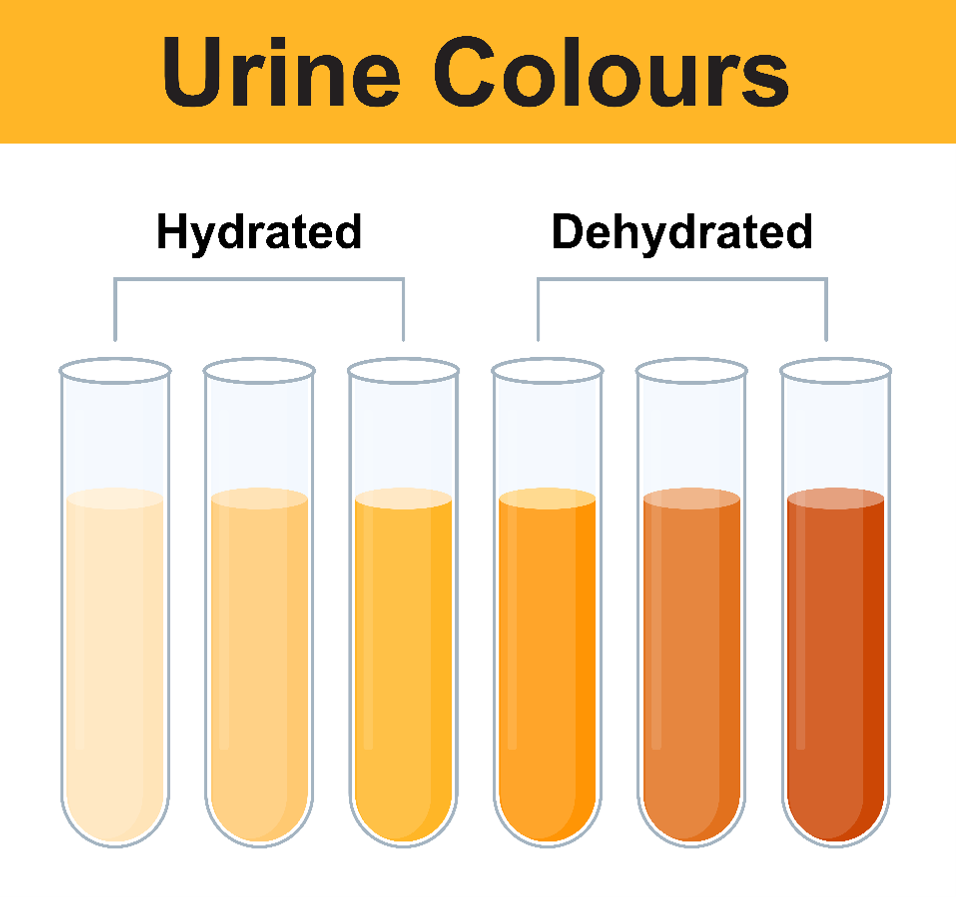
- Dark urine
- Not needing to pee as much
Knowing how you usually feel will help you recognise these signs and prevent dehydration.
Drink a variety of non-alcoholic drinks like coffee, tea, fruit juice, or smoothies.
- Aim for 6-8 drinks a day (at least 1.5 litres).
- Drink your favourite drinks in small sips throughout the day.
- Keep water or other drinks nearby, even when you’re out and about.
- Use water bottles or jugs as reminders to drink.
- Drink a glass of water with your medication.
- Make your water more appealing by adding lemon slices or ice cubes.
- Use the start or end of TV shows as reminders to have a drink or set alarms to remind you.
Aim to drink 6-8 cups of fluid a day, which is about 1.5 - 2 litres. All non-alcoholic drinks count, including tea, coffee, and juice.
Water is the best choice because it doesn’t have extra sugar or caffeine.
You can also get fluids from foods like watermelon, cucumbers, and soups.
If you’re caring for someone, here’s how you can help them stay hydrated:
- Offer drinks often and share a drink together.
- Keep a variety of drinks available.
- Encourage them to drink a little at a time.
- Suggest fun drinks like smoothies or ice cream floats.
- Use special cups with handles or reminders to help them drink more.
- Set up electronic reminders, like alarms, to prompt them to drink regularly.
Drinking enough is important for feeling good and staying healthy!
Further information about the content, reference sources or production of this leaflet can be obtained from the Patient Information Centre. If you would like to tell us what you think about this leaflet please get in touch.
This information can be made available in a range of formats on request (eg Braille, audio, larger print, easy read, BSL or other languages). Please contact the Patient Information Centre on telephone
0191 246 7288
Published by the Patient Information Centre
2025 Copyright: Cumbria, Northumberland, Tyne and Wear NHS Foundation Trust
Ref: PIC/928/0325 March 2025 V1
Website: www.cntw.nhs.uk
Telephone: 0191 246 7288
Review date 2028