

This leaflet is for you, your family, and friends if you have been referred for, or are considering, Electroconvulsive Therapy (ECT).
This treatment is used for some severe mental health conditions when other treatments have not been effective.
We have created this leaflet to help you feel more comfortable about coming for treatment. It includes photographs of the department and explains what will happen during your visits.
It is natural to feel worried or unsure about ECT. Many people find the idea of treatment difficult to understand, especially if they do not know what to expect. Your medical team will talk with you about ECT and provide information to help you understand the treatment and make an informed decision.
You are welcome to visit the department before your treatment begins. However, we understand that some people may be unable to visit or may prefer not to. We hope this helps you become familiar with the department and answers some of your questions.

The entrance to the Physical Treatment Centre. Alnwood is just round the corner.

A member of staff who knows you, or a family member if you are an outpatient, will come with you to the department. This is to help you feel comfortable and supported.
When you arrive, a member of the ECT nursing team will welcome you to the waiting and assessment area. They will ask a few simple questions, including:
- When did you last eat or drink?
- Have you taken any medicines today?
- Do you have any concerns or questions?
They will also ask some questions to check your orientation, such as:
- What is your full name?
- What is your date of birth?
- Which town or city do you live in?
- What is the name of this hospital?
- What is today's date?
After your treatment, staff will ask these questions again.
We will then take your temperature and share this information with the treatment team before taking you to the treatment room.
This is the treatment room

You will be shown into the treatment room and asked to remove any coats or jackets so we can monitor you during treatment. It can be helpful to wear a T-shirt or a thin long-sleeved top under thicker clothing.
You will then be asked to lie on the bed and make yourself as comfortable as possible. If you feel anxious, your escort nurse can stay with you in the treatment room until you are asleep.
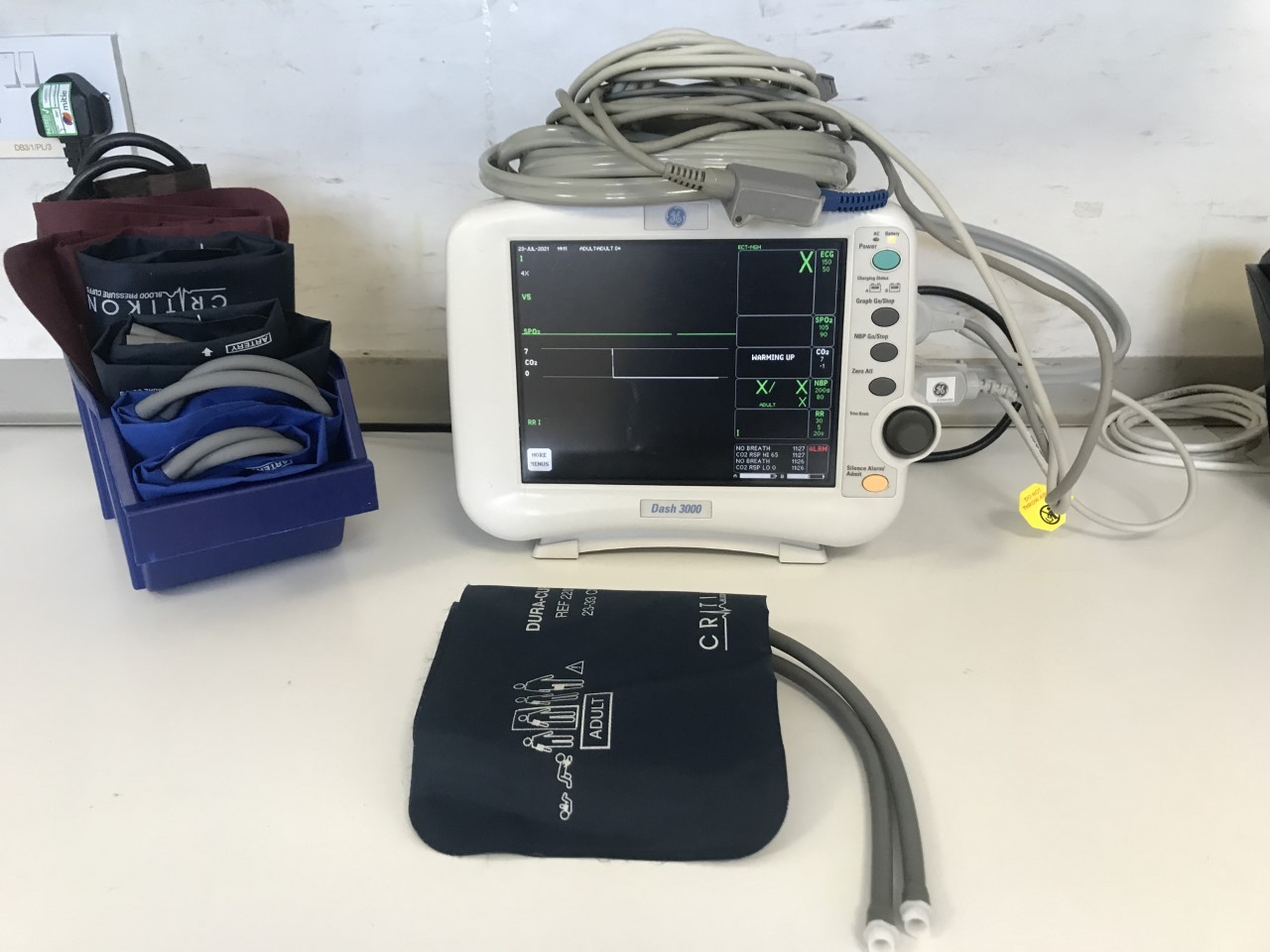
We will place small ECG stickers on your arms, a cuff around your upper arm, and a small clip on your finger. These allow us to monitor your heart, breathing, and blood pressure throughout the treatment.
We will clean your brow, temples and behind your ears with alcohol wipes before applying some EEG stickers to those areas. This is to monitor the seizure.
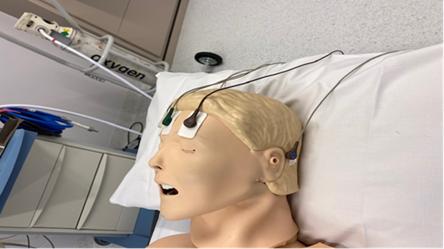
We will insert a needle either in the back of your hand or in your arm.
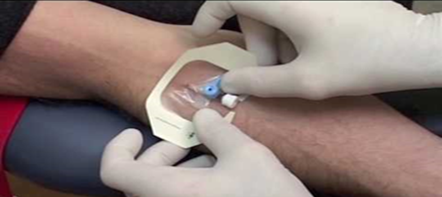
Oxygen will be given through a face mask.
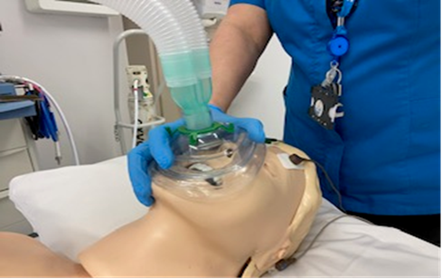
The anaesthetist will give you medicine to help you fall asleep and relax your muscles.
You will only be asleep for a short time. We will monitor you throughout the treatment to make sure you are safe and comfortable.
After the treatment, you will stay in the treatment room or recovery room for at least 20 minutes. Some people may need to stay longer.
During this time, you will receive oxygen through a mask. We will continue to check your blood pressure, heart rate, and breathing while you rest and wake up.
When you are ready, we may take you to the post-ECT recovery area.
This is the ECT machine which will deliver the electric current.

This is the physical monitoring equipment.
Who is in the ECT team?
The ECT team includes:
- Team Manager
- Clinical Nurse Lead
- Staff Nurses
- Assistant Practitioner
- ECT Consultant Psychiatrists
- Consultant Anaesthetist
- Operating Department Practitioner (ODP)
Who will be in the treatment room?
There are normally at least four staff members in the treatment room:
- Consultant Psychiatrist - the doctor who gives the ECT treatment
- Consultant Anaesthetist - the doctor who gives medicine to help you sleep during treatment
- ECT Nurses - up to two nurses who help during treatment and support your recovery afterwards
- Operating Department Practitioner (ODP) - a healthcare professional who helps the anaesthetist
Sometimes a trainee doctor may also be in the room. A trainee doctor is a qualified doctor who is learning more about ECT. They may give treatment under the supervision of the consultant psychiatrist.
Medical students may sometimes observe treatment. We will ask if you are happy for them to be present. If you do not want medical students in the room, please let a member of staff know.
All staff will introduce themselves and explain their role.
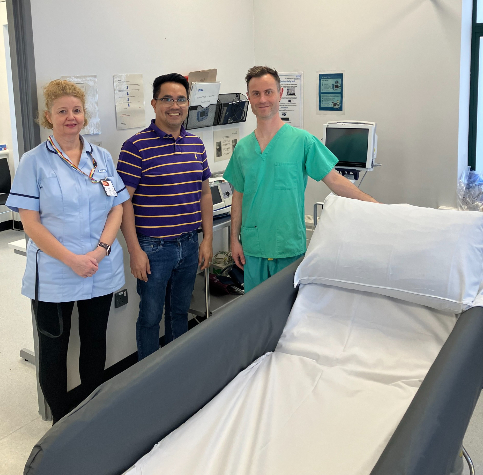
The recovery room

After ECT, you may spend a short time in the recovery room while we continue to monitor you.
An ECT nurse will care for you and check your blood pressure, heart rate, and breathing at regular intervals. The nurse will also remove the small needle used to give you medication.
As you wake up, the nurse will ask you a few simple questions, such as your name, where you are, and the date. This helps us check that you are recovering well.
Once you have recovered and feel ready to get up, we will take you to the post-ECT refreshment area.
Post ECT Refreshment area

After your treatment, you can go to a quiet room where you can have a hot or cold drink and something to eat. This gives you time to rest and recover.
Your nurse or family member can stay with you. An ECT recovery nurse will also be there to check on you and offer support if needed.
If you are staying on a ward, you may be able to return there for your refreshments.
When you have recovered, you can return to your ward or go home. Because you have had a general anaesthetic, you must stay with a responsible adult for 24 hours. Please follow the advice in the Post Treatment Information for Patients Receiving ECT leaflet.
We are happy to arrange a visit to the department before your treatment if you would like one. To arrange a visit, or if you have any questions, please contact the ECT team at any time.
ECT Department
Physical Treatment Centre
St Nicholas Hospital
Jubilee Road
Gosforth
Newcastle upon Tyne
NE3 3XT
Telephone: 0191 246 8665
Sessions are held on Monday and Thursday from 8am to 1pm.
We hope this has been helpful and wish you a speedy recovery!
You can talk to a staff member or use the contacts listed below. See other ways to give feedback.
Your Voice
You can use this email to tell us what you think about your care. This can be good or bad. You can also ask us to tell you what happens after you send feedback.
Email: yourvoice
Comments and complaints
If something went wrong, please tell us. This will help us improve services.
Email: complaints
Telephone: 0191 245 6672
Write to: Complaints Department, Cumbria, Northumberland, Tyne and Wear NHS Foundation Trust, St Nicholas Hospital, Gosforth, Newcastle upon Tyne, NE3 3XT.
Patient Advice and Liaison Service (PALS)
PALS offer a free, confidential service. They can help if you are worried about your care. They support patients, families and carers.
PALS North of Tyne
(services in Newcastle, North Tyneside, Northumberland and North Cumbria)
Email: pals
Telephone: 0800 032 0202
You can get more information about this leaflet from the Patient Information Centre. This includes how the leaflet was made. We can provide this leaflet in other formats. These include Braille, audio, large print, Easy Read, British Sign Language, and other languages.
We welcome your feedback about this leaflet. You can email pic
Published by the Patient Information Centre
2026 Copyright: Cumbria, Northumberland, Tyne and Wear NHS Foundation Trust
Ref: PIC/858/0926 V6
Review date 2029
Website: www.