
Volunteer Opportunities
Welcome and foreword
Volunteering has always been an essential and valuable part of the NHS and was a strong tradition long before the NHS.
For more than 30 years our volunteers within Cumbria, Northumberland, Tyne and Wear NHS Foundation Trust (CNTW) have played a key role by engaging positively with our patients and carers, offering their time and skills to encourage others.
The volunteers make an immense contribution, and the Council of Governors and Board Directors are extremely grateful that they choose to make Cumbria, Northumberland, Tyne and Wear NHS Foundation Trust (CNTW) their place to volunteer, enriching the lives of our
patients and carers.
With the continued involvement of volunteers we will be able to build upon our reputation of not only being regarded as a great place to work but also a great place to volunteer.
Volunteers utilising their skills, and learning new skills, will give them satisfaction, enhance the contribution they make and assist them if they are interested in employment in our Trust.
Our Volunteer Involvement Strategy is an important document for our organisation; it sets out our aspirations and how we will value our volunteers, how we will ensure they are welcomed and appreciated within our CNTW “family” and how we as an organisation will
set out to achieve this by working together.
Through this strategy we aim to provide everyone with a good understanding on the role of a volunteer within CNTW and the value of volunteering. It is our intention through best practice in volunteer management, to provide a positive experience for every volunteer in line with our vision ‘to be a leader in the delivery of high-quality care and a champion for those we serve’, as well as continuing to demonstrate our values of being ‘caring and compassionate, respectful, honest and transparent’ through actively engaging with everyone involved in the Trust.
Our healthcare teams are committed to ensuring that all volunteers receive support and thanks for their involvement from team members, recognising and valuing the impact and support they bring to their service.
On behalf of the Council of Governors and Board of Directors, I would like to thank every volunteer for giving their time to our services and thank our colleagues who continue to support and utilise volunteer involvement in many ways for the benefit of all.
When we asked people why they choose to volunteer within CNTW
-
To learn new skills and utilise existing skills.
-
To prevent loneliness and social isolation.
-
To be part of a community.
-
Making a rewarding contribution and feeling valued.
-
Giving something back whilst offering hope.
-
Sense of belonging with a purpose.
-
Empowerment.
-
Altruistic.
This Volunteer Involvement Strategy is the first of its kind to be launched within Cumbria, Northumberland, Tyne and Wear NHS Foundation Trust.
The active engagement from volunteers, patients and staff (multi-disciplinary) has been paramount throughout the development of this strategy. In the wake of Covid-19 (Coronavirus), we have had to adapt to different ways of working, coming together and reaching out to people using a variety of technology to develop the volunteer strategy.
We have been able to achieve this by arranging ‘Teams’ meetings, sessions and events with volunteers, staff colleagues and third sector organisations as well as ongoing telephone and email discussions with members of the Voluntary Services Steering Group to assess their understanding and vision on what volunteer involvement may look like moving into the future and at the same time, ensuring it supports our very own Trust strategy of 2023-2028.
Covid has and will continue to change the way we work and deliver our services. Any changes will be seen as a positive move forward, giving new opportunities for all, whilst some traditional roles e.g. gardening, will remain. Covid has sped up digital transformation
and technology by many years and its crucial we play our part in society and provide volunteer roles to support and educate our ageing population to minimise fewer people resulting on the wrong side of the digital divide.
This strategy aims to raise the profile of volunteering within CNTW and celebrate people coming together in many different ways, whilst aligning future development of volunteer involvement to the Trust’s 5year plan. It is our intention to champion an organisational
culture that welcomes, sustains, values and celebrates volunteers as an integral part of CNTW.
The CNTW Voluntary Services Steering Group has a multi-disciplinary approach (appendix 1). The Voluntary Services team remain very grateful for the time, energy and commitment of all members of the Steering Group for their genuine and honest contribution in enabling
us to come together in agreeing our strategic ambitions within our Volunteer Involvement Strategy.

Volunteering
Volunteering is defined as:
“An activity undertaken freely that involves spending time, unpaid, doing something that aims to benefit the environment or individuals or groups other than (or in addition to) close relatives”.
Volunteering makes a significant contribution to the global economy. Volunteering helps
build a more cohesive, safer, stronger community, increasing the social network between
local communities and their local neighborhood. Volunteering promotes people to be more
active in supporting others without necessarily expecting any monetary gain for their time
and commitment of being a volunteer.
Volunteers make a huge contribution to the health and wellbeing of the nation, giving their
time, skills and expertise freely each year to support our NHS. They are crucial to the
NHS’s vision for the future of health and social care, as partners with, not substitutes for,
skilled staff (NHS England - Volunteering).
There are over 300 types of roles in the NHS alone, allowing people of all ages and
backgrounds to find challenging and rewarding opportunities which reflect their availability,
ambitions, passions and skill set.
This strategy takes into account national guidance, including:
The NHS Ten-Year Plan:
- Encouraging NHS organisations to give greater access to help younger people
volunteer where appropriate. - Increasing focus on programmes in deprived areas and for those with mental health
issues, learning disabilities and autism. - Doubling the number of NHS volunteers over the next three years.
The Interim People Plan:
- Accelerating plans to create a flexible and adaptive workforce which includes
volunteers: “Volunteers play a valuable role, providing more time for our professionals
to provide the high-quality care they have been trained to give” (Interim People Plan
2019). - Support apprenticeship schemes - critical in attracting people to the NHS from less well
represented groups and supporting the development of new roles. Allowing
opportunities to expand our workforce and enhance our skill mix.
The We Are The NHS People Plan 2020-21:
- Identifies key volunteering areas for Trusts and systems to focus in on, including NHS Cadets, the National Volunteering Certificate and volunteering as a route into employment.
- Draws on the benefits from the contribution of those in unpaid roles - particularly carers and volunteers.
- Encouraging organisations to focus on training volunteers, routes into employment for volunteers and inspiring the next generation.
CNTW recognises the importance of including volunteers and values their immense
contribution in complementing the work of our staff in providing the highest possible levels
of care.
In the wake of Covid-19 our NHS is living and functioning in an everchanging world and as
we move forward this gives us undoubtedly the opportunity to consider new and widened
volunteer roles, to be creative and to build our volunteer workforce that supports and
strengthens our staff within our services to deliver the very best of care to our patients and
carers.
The Trust aims to create a positive environment for volunteers who offer their time and
skills to enrich the patient experience and participate in agreed roles across services,
whilst offering rewarding opportunities to volunteers.
The Trust kindly provide additional recognition for volunteers in many ways:
- Celebrating their contribution through social and Trust events (Annual Members Meeting (AMM), Annual CNTW Nursing Conference, National Volunteers’ Week).
- Special achievements by nominations for internal/external award schemes.
- Volunteer long service awards - 5, 10, 15, 20+ years of volunteering.
- Written recognition in volunteer newsletters and CNTW staff bulletin as well as CNTW social media platforms.
- Valuing their ideas and contribution through participation in monitoring and evaluating volunteer involvement policies, procedures and associated documents (Volunteer Involvement Policy, associated handbooks and good practice guidelines).
Our mission statement
CNTW volunteering - giving the gift of time freely, by coming together to make a difference and offer hope in the lives of others.
- Enrich the patient and carer experience by personalising services.
- Widen the range of social activities available to patients.
- Offer additional time without the competing demands of paid staff.
- Promote diversity and inclusiveness.
- Foster good relationships with the local community.
- Support healthcare professionals in their ward/department.
- Gain confidence and self-esteem.
- Feel part of the wider community.
- Give something back.
- Utilise existing skills set.
- Learn and develop new skills.
- Experience volunteering in a hospital environment.
- Gain an insight and employability skills that may help when considering career options.
- Increase health and wellbeing and use spare time purposefully.
- Feel valued and part of a team.
- Provides a sense of purpose and belonging.
- Build confidence.
- Spend quality time away from work, studies or a busy life.
- Additional resource to support, complement, and enhance services.
- Fostering good working relationships with other colleagues for the benefit of our patients and carers.
- Raise awareness of the Trust’s services, aims and objectives and the 5year plan of
2023-2028 titled With You In Mind. - Build positive relationships and contribute to provide volunteering opportunities for people within our local communities by meaningful engagement through participating in volunteer involvement, embedding a diverse and inclusive culture across services.
- By providing volunteering opportunities it is anticipated volunteers see CNTW as a
great place to work, enhancing our future workforce. - Expanding the multidisciplinary team approach effectively within teams.
- Engage and utilise the diverse range of skills, experience and knowledge offered by
volunteers. - There is also evidence that volunteering can help to improve health and wellbeing.
- Provide opportunities for patients in their recovery journey, upon discharge and beyond.
Feedback
Feedback from our patients, volunteers and staff to ask what volunteering in CNTW means to them.
-
I started to volunteer to gain experience and confidence and hopefully achieve. I have managed to obtain all.
-
I volunteer in order to support the journey of recovery, that people like myself with mental health issues face.
-
Invaluable insight into the world of mental health.
-
Sunderland Recovery College is a great opportunity to give back to my community.
-
Thoughts that I may have helped in giving patients some comfort and friendship when they attended the church service.
-
Volunteering has taken me on a journey of discovery. One where I found friendship and respect. Everyone is valued, appreciated and their individual needs are met. I am privileged to be a Volunteer.
-
As a previous service user I was able to share my own story and be a positive role model demonstrating there is "light at the end of the tunnel".
-
I love being around and involved with people, sharing things with people.
-
From volunteering I have gained in confidence becoming more aware of the problems people manage every day and enjoy a role that is extremely rewarding. I have met many like minded people and found a new purpose in life. Since I retired it is the best thing that I have done.
-
It installed value to my inclination to do my bit for local communities.
-
Always a good experience, found friendship, responsibility and role models to guide me through life.
-
I really enjoy coming here, it's very good.
-
I dearly wish more people would volunteer. It adds so much value to living and life in general.
-
To be honest, In giving I am receiving more.
-
It exceeded my expectations - staff were so welcoming and friendly and helped me settle into my volunteer role.
-
I admired people since my childhood who volunteered for good causes without any hidden agendas and wished to do it in my retirement.
-
The Volunteers have been through similar experiences and they give hope to our future.
-
They're a role model and someone to look up to ad bring ideas about how to cope.
-
They've been through it themselves and come through the other side.
-
It is useful to have role models on the ward to inspire patients, to show them that they can have a different positive life - offering hope.
-
All the Volunteers have been enthusiastic and offer another dimension to be the care that we as a team can deliver to patients.
-
I draw inspiration from Volunteers who have spent time in hospital themselves and wish to come and help others who remain in services, offering hope that someone's journey in our services will come to an end and that they can lead a life outside of hospital.
Where do we want to be?
Our vision is to:
- See a steady yearly growth in volunteer numbers.
- See an increase in services involving volunteers throughout locality care groups.
- See an increase in a variety of agreed and meaningful roles that continues to complement and meet the needs of our services, embraces the world of digital transformation and a positive legacy of Covid-19 should see an increase in the variety of volunteer roles across our NHS to support teams.
- Have a culture where the involvement of volunteers is seen as a positive role model for our patients, carers and staff.
- Continue to recruit and embrace a diverse and inclusive culture within volunteers throughout our local communities geographically.
- See our volunteers as a vital part of helping us to achieve our aims and objectives by way of their participation within our working groups and future initiatives regarding volunteer involvement.
An image of a football with pictures of various countries flags on it. It is sitting on grass. The text says Don't leave your mental health on the bench. selfhelp.cntw.nhs.uk
“I just want to say a big thank you. You have all been amazing and made my time volunteering easy and enjoyable. You have all gone out of your way to provide training and opportunities which have played a massive role in enabling me to progress in my career. For that I am so appreciative.
An increase in Voluntary Services staffing to ensure people from our large geographic
area are proportionately recruited into roles, screened, trained and supported safely
and effectively throughout their volunteering journey within CNTW in line with our
Volunteer Involvement Policy.
- Continue, as well as establish new working relationships within the wider community that CNTW serve, through third sector partnership working to support our aim to be a culturally diverse and inclusive service by the sharing of good practice, investing in skill sharing and the pooling of resources.
- Explore opportunities and actively engage in our local communities to support the strategic direction of CNTW and our efforts to support climate change to help shape the future of CNTW by creating a values-based positive and realistic vision for all our futures in improving health for all our communities.
- Foster additional working relationships with our staff colleagues to bring new volunteer opportunities to our existing portfolio.
- Continue to utilise the skills and expertise of our communication team members (including Patient Information Centre and Marketing Team) to promote volunteering through social media platforms and branding of volunteering merchandise.
- Continue to work in collaboration with our existing volunteers and new recruits in the development, design and promotion of volunteer involvement materials.
- Buy in to an appropriate and reliable volunteer management software programme that is built specifically around volunteer management. The programme will need to provide tools for every stage of the volunteer journey, from recruitment and compliance to communication, engagement and retention. As well as meeting CNTW NHS Foundation Trust’s internal Information Governance policies and procedures.

Monitoring
A Volunteer Involvement Steering Group will be created, having a membership that
includes and promotes a diverse range of disciplines (appendix attached). Members of the group will meet periodically (in person/virtually) to monitor the progress of the agreed aims and objectives within the Volunteer Involvement Strategy and agree action plans where necessary to ensure objectives are delivered.
An annual review will take place in the form of creating a Volunteer Involvement Annual Report that will be prepared by the Voluntary Services team and others, to be presented to our Trust Executive Board to be noted and subsequently circulated and shared Trust-wide and beyond.
Conclusion
Our Volunteer Involvement Strategy will support us to recruit more volunteers and create and develop meaningful roles to support our healthcare staff, so that everyone can work together collaboratively to strive to enhance the already outstanding care delivered to our patients and carers throughout CNTW and work together alongside the Trust’s 5year plan of 2023-2028 titled With You In Mind.
CNTW will be seen as the place for individuals to use their skills and time purposefully
through engaging as a volunteer, enabling CNTW to promote and develop strong working links with our local communities.
- Have an organisational culture that encourages, promotes and supports volunteering and increases volunteer satisfaction.
- Increase the number and diversity of our volunteers by 25% on a yearly basis.
- Work collaboratively and innovatively with our healthcare professionals, provide new and meaningful roles to support staff and enhance our patients' recovery journey and support our carers.
- Cumbria, Northumberland Tyne and Wear NHS Foundation Trust will be seen as a great place to 'volunteer'.
- Building innovative partnership working with Individual Placement Support Service, internal vocational rehabilitation services, volunteer bureaus and local community third sector organisations that geographically cover the services of the Trust.
- All projects have a dedicated 'volunteer champion' within their staff team.
Explore and engage across the organisation where wards/departments/services are not currently reached.
- Scoping, piloting and developing new volunteering roles i.e. Meet and Greeters, support CNTW’s strategic direction, gardeners/allotment care/discharge support befrienders.
- Promote the benefits to our services of the engagement of volunteers, to all staff, patients and carers to enhance service delivery and our patients/carers experience.
- Celebrate and communicate the successes and achievements made by involving volunteers in the workplace.
How will we achieve this?
- Good, all-round communication will be key to ensure we are all forward thinking in everything we do for the benefit of our patients, carers and staff.
- Communicate and showcase success and achievements through many social platforms i.e. Talk 1st, staff bulletin, community meetings, Annual Members Meeting, internal conferences (nursing, allied health professionals) and yearly calendar campaigns.
- Have a presence within meetings to represent volunteer involvement i.e. Health and Wellbeing, Individual Placement Support Employment Service, Vocational Rehabilitation Network, Service User and Carer Reference group, Service User and Carer Involvement and Experience Group, Talk 1st cohorts etc.
- Attend ward-based community meetings and other appropriate internal groups to promote volunteering to patients, carers and staff.
- To consider adding ‘volunteer involvement’ to check lists for health and safety assessments and other necessary assessments that would ensure volunteering is considered across our services and support a wider audit trail.
- Periodically monitor and review the progress of volunteer involvement through actively seeking and gaining feedback through many avenues to all stakeholders.
- Improve volunteer numbers from ‘hard to reach’ groups to bring a stronger cultural inclusive and diverse range of volunteers into CNTW, tackling health inequalities and our post-Covid landscape through targeted volunteer recruitment campaigns (internal and external venues).
- Target recruitment of volunteers to match agreed and specific roles across the organisation whilst considering the demography changes afoot.
- Identify specific skill set of volunteers that can be utilised meaningfully in the workplace.
- Review recruitment process and branding to ensure volunteering continues to be appealing and accessible to all.
- Monitor volunteer involvement by introducing an equal opportunities and monitoring form to provide ongoing reporting mechanisms and provide ongoing statistics that can be measured against targets set and as and when required work to address inequalities.
How will we achieve this?
- Facilitate targeted recruitment campaigns internally and externally within our geographic area.
- Recruitment of additional Voluntary Services Co-ordinators to cover each of our four localities - North, North Cumbria, Central and South.
- Work collaboratively with our Individual Placement Support team and staff networks.
- Raise awareness of the Voluntary Services Department’s function within patient welcome pack and discharge information.
- Utilise CNTW staff networks (LGBT+, Cultural Diversity, Armed Forces and Veterans etc.) to highlight volunteering roles on offer for wider distribution to members and the wider community.
- Work in partnership to recruit suitable students from local colleges and universities.
- Utilise our meet and greet volunteers to showcase and highlight benefits of volunteering to passing trade within public areas around Trust premises.
- Work with our Equality, Diversity and Inclusion Lead to develop a process that best meets our efforts in tackling under-represented groups into volunteering within CNTW and assists in the regular monitoring to highlight areas of growth and/or need.
The next five years within CNTW will see the population we serve change in demography and it is right that we strive to recruit volunteers to support our Trusts Strategy by including volunteers in this aim going forward. We will also strive and reach out to under-represented people and groups.
- Work creatively with staff to identify new and innovative volunteer roles that will maximise impact for patient experience and support to our colleagues beyond Covid-19 times.
- Heighten awareness across our multi-disciplinary workforce regarding possible opportunities for volunteers to complement the work of paid staff.
- Discuss the aims and vision of CNTW where volunteer engagement can enhance service models and current initiatives by participating in appropriate internal and external meetings.
- Promote the benefits of volunteering and also the engagement of volunteers to teams, particularly around health and well-being and within our patients’ recovery plans and/ or discharge.
How will we achieve this?
- Support our services by having readily available volunteer involvement information resources to disseminate to patients and carers as part of their discharge package.
- Assist and support registered volunteers with volunteer-to-career opportunities for people ready for work either within CNTW and/or external organisations through CV formulation, interview preparation and techniques through the creation and recruitment of a dedicated Voluntary Services Development and Wellbeing Manager.
- Regular positioning of Voluntary Services staff and current volunteers within main hospital sites, periodically to highlight aims of service through promotional materials.
- Continue to highlight and promote new and existing volunteer roles within the Trust through many social media platforms with support from our Communications Team.
- Promote the success of staff teams and volunteers working collaboratively through agreed articles submitted via intranet/Twitter and other social media platforms.
- Volunteers to have a great sense of belonging to their role, the team they are attached to and the wider Trust, through staff utilising their volunteer(s) time and skills effectively to enjoy good mental health.
- Ensure our volunteers have the right skills, knowledge and attitudes to engage and care for our patients.
- Volunteers to contribute to internal and external events/promotions in raising awareness and sharing their experiences of volunteering within CNTW.
How will we achieve this?
- Use internal communication methods with the support from our Communications Team colleagues.
- Attendance (staff and volunteers) at external (third sector organisations, colleges and universities, shopping malls) and in-house events (Annual Members Meeting, nursing conference), to raise the profile of volunteering within the CNTW family.
- Regular news feed promoting new volunteer roles, showcasing volunteer stories and achievements within their area of volunteering and in the sharing of feedback from patients, carers and staff.
- Provide Dementia Friend training sessions for all volunteers, and particularly for volunteers engaging and supporting our older peoples’ services and other services identified to assist and equip volunteers with ease into their roles.
- Identify appropriate third sector organisations to support the promotion of meaningful volunteering roles.
- Continue to work closely with organisations to celebrate volunteering achievements.
- With people, communities and partners, together we will promote the benefits and successes of how volunteering has played a positive impact in the lives of all involved.
How will we achieve this?
- Continue to build on strong working relationships with third sector organisations regarding volunteer involvement across all localities.
- Utilise the wider community to advertise and attract future people force as volunteers within CNTW.
- Together, share in the success of partnership working by highlighting achievements of all those involved via many social platforms in line with CNTW protocols with support from our Communications Team members.
- Attend external events and third sector organisations to showcase and promote volunteering opportunities within CNTW.
- Approach local community venues to showcase and promote volunteering opportunities to seek out a cultural inclusive and diverse people force within volunteering.
- Create a Volunteer Champion role within staff teams to be carried out within the course of normal duties where involvement of volunteers is active in workplace.
- Promote the Volunteer Champion role throughout team meetings and embed within trust initiatives as appropriate.
- Celebrate and thank staff who engage with volunteers in their workplace by sharing ideas/stories/events through Communications and other social media outlets with permission granted.
- Volunteer Champions will play a crucial role in promoting and supporting their individual teams in the engagement of volunteers through meaningful activity to complement care provided.
How will we achieve this?
- Invite Volunteer Champions to internal and external recruitment events, Trust initiatives (Annual Members Meeting, Nursing conference).
- Encourage our Volunteer Champions and wider staff teams to promote and share good practice, news and success of their volunteer(s) within their area of work within staff bulletin and other social media platforms with the support of our Communications team.
- Arrange and facilitate Volunteer Champion support meetings (1:1/group settings) across the localities to offer ongoing support to teams.
- Volunteer Champions to be included in ward/department visible noticeboards.
- Voluntary Services Co-ordinator(s) to be included in ward/department visible noticeboards.
- Voluntary Services team to host support meetings with Volunteer Champions to gather feedback of their champion role and offer continued help, support and encouragement where needed.
When we asked people what roles they would like to see within CNTW
-
Chaplaincy support (supporting the work of our Chaplains)
-
Clerical/admin assistant roles (to build confidence, gain experience but not to be utilised for replacing/filling paid roles due to vacancies, leave, sickness absence) to enhance their CV to apply for relevant paid roles within CNTW and beyond
-
Welcome volunteers/meet and greet service
-
Gardening and further outdoor activities (supporting ward outings and contribute and support the Trusts Green Plan)
-
Telephone support (to check in with discharged patients and their carers)
-
COVID-19 support volunteers (Flu and Covid-19 vaccinations, ward support)
-
Community befriending roles (to alleviate social isolation)
-
Feedback roles (to gather feedback from patients and carers currently in services and those near to discharge) to enhance service delivery
-
Buddying system to accompany service users travelling out of area for hospital appointments and/or surgery (i.e. Gender Dysphoria service)
Celebrating success through volunteering within CNTW
Volunteer to career
Name: Diane Armstrong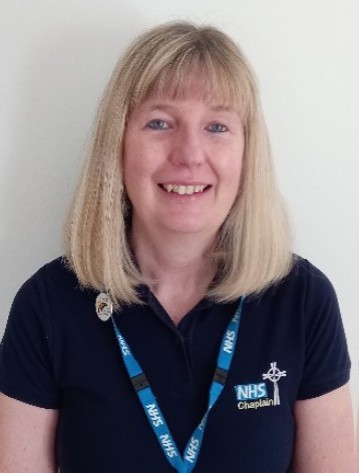
Job at CNTW: CNTW Chaplain
What made you consider volunteering with CNTW?
I started studying for a Theology degree later in life with a view to changing my career. I set off with the goal of going into teaching children with special needs. But as part of one of my modules I had to arrange a placement in a Chaplaincy Department. One of the options was mental health chaplaincy which appealed to me. I was lucky enough to secure a placement and spent 21 hours with a chaplain across services at St Georges Park and Northgate. I loved it so much that I wanted to volunteer once a month to support the Chaplaincy service on a Saturday morning alongside my studies.
How easy was it to find out about volunteering and how did you find the process, training and support?
Because I had spent that time on placement I became aware of volunteers who supported Chaplaincy. The Chaplaincy Department put me in touch with Voluntary Services and the process was very seamless. The communication was great and the team guided me through it all very supportively. They even came up to St Georges Park to complete the training with me.
Did you volunteer with the forethought of working for the Trust?
No, this was never really in any of my thoughts at the outset.
As you can probably imagine every Saturday at St Georges service would be different but there were some special moments when patients would share their stories - such an inspiration.
Is there any particular volunteer memories you would like to share?
Being invited to special events arranged by Voluntary Services – although with working and studying it was always difficult to get to them but I did appreciate the lovely invites I received.
I do recall making it to the commissioning of two Chaplains at St Georges Park one of whom I work with now. It was good to be part of that celebration. We had refreshments and a catch up afterwards with the Chaplaincy team and other volunteers.
Would you recommend volunteering within CNTW to any other potential future employees?
Definitely, it gives you very good insight and experience of what working in CNTW is like. The people are very supportive and encouraging. You never know what doors will be opened and new possibilities emerge!
Volunteer to career
Name: Paul Sams
Job at CNTW: Feedback and Outcomes Lead, Commissioning
and Quality 
What made you consider volunteering with CNTW?
I was coming out of mental health treatment after a long time (15 years) and studying. I wanted to give something back while checking my resilience and ability to be a successful part of a team.
How easy was it to find out about volunteering and how did you find the process, training and support?
The team were really welcoming to me and supported me from the moment I said I was interested. I found training to be really useful and found the person-centred approach to be supportive.
Did you volunteer with the forethought of working for the Trust?
No, I was planning to work in the heritage sector but found my past mental health difficulties to be stigmatising. I found the Trust to be the opposite, they recognised my strengths and people recommended I apply for a Trust job. The rest as they say is history.
Is there any particular volunteer memories you would like to share?
I have lots of fond memories. I remember getting a game of corridor ten pin going in the dementia day service and the consultant joining in, I think the patients really got a lot from that. I also remember supporting a man who was keen to leave as he was worried about his wife. I spent 2 hours talking to him about his childhood in wartime and by the time I left it was time for him to go and he hadn’t been anxious all of the time we spoke.
Would you recommend volunteering within CNTW to any other potential future employees?
Yes, I now volunteer outside of the Trust and believe its such worthwhile work.
Volunteer to career
Name: Francesca Storey
Job at CNTW: Ward Manager of an acute female inpatient ward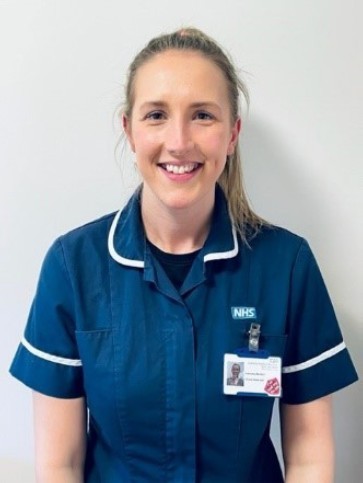
What made you consider volunteering with CNTW?
Mental health has always been important to me and a topic I am very much interested in. During studying psychology at university, I decided to look for volunteering opportunities within mental health to broaden my knowledge of mental health, support others and further my professional skills. I had volunteered whilst in sixth form and really enjoyed this experience. I chose CNTW due to the fantastic feedback I had from peers and from reading about the volunteer project online.
I was aware of CNTW as a Trust and its dominance within mental health care. As soon as I enquired, I was asked to come to St Nicholas’ for a meeting to meet the team and discuss my skills and where may be most suitable to volunteer. The team were wonderful; so welcoming and enthusiastic about their brilliant service and made me feel at ease.
How easy was it to find out about volunteering and how did you find the process, training and support?
The process was simple, I was recommended to look into the CNTW Trust, I googled the volunteer page, sent an email and then was invited along for an informal meeting. I received an induction to the Trust and I was supported throughout by the Voluntary Service; they made me feel very valued and part of the Trust. Once a placement was found I was provided with a mentor and worked alongside this person and she further inspired me to work for the Trust. My expenses were paid for travel to and from the hospital.
Did you volunteer with the forethought of working for the Trust?
Originally, I was unsure what I wished to do in relation to my career. After university I moved back to southern England, however soon came back following applying to do a masters in nursing at Northumbria. I knew then, that I would be remaining in the north and that I would only wish to work for one Trust - CNTW. I completed my course and applied for a nursing position at St George’s Park and I have just been promoted to Ward Manager of the acute female inpatient ward.
Is there any particular volunteer memories you would like to share?
Volunteering within the STARR project at Walkergate Park was one of the best opportunities I have ever had. Having the privilege to support patients through recovery; supporting people to learn to walk, talk, engage again was such a powerful experience. The team was fantastic and my mentor was exceptional. They really promoted the Trust values and goals and inspired me to follow a career within mental health. We supported an individual whom, had a keen liking for Mario kart and pool; that was my Thursday afternoon sorted; to see this person come through such adversity of his injuries and progress to going home to his family was incredible.
Would you recommend volunteering within CNTW to any other potential future employees?
I would highly recommend volunteering within CNTW; I believe that CNTW provides one of the best, most supported volunteering opportunities that can accessed within mental health care. My Volunteering opportunity opened my world to a Trust that I am currently proud to be working in today and ignited the path to my nursing career.
Appendices
1. CNTW Voluntary Services Steering Group
- Group Director
- Executive Sponsor
- Head of Volunteer Involvement
- Voluntary Services Co-ordinators
- Voluntary Services Administrator (Secretary)
- Clinical representatives from four localities - i.e. Associate Director/Ward Manager/ Clinical Lead/Clinical Manager/Nursing Assistant/Occupational Therapy staff member(s) - inpatient and community services
- Risk Management representative
- Patient Information Centre representative
- Communications representative
- Workforce representative - (recruitment and health and wellbeing)
- CNTW volunteers/carers (from four localities)
- Patient and Carer Involvement representative
- Individual Placement Support (IPS) representative
- Chaplaincy representative
- Talk 1st representative - Positive and Safe Team
Please note:
This list is not an exhaustive list. Group members will meet periodically and a minimum of eight members (or deputies) must be present to be quorate to enable service development move forward on agenda with related topics and discussion points.
e.g:
- Review processes, policies and procedures that may impact volunteer involvement.
- Highlight volunteer legislation and impact.
- Updating of Volunteer Involvement Policy and Volunteer Code of Conduct.
- Development of guidance notes and service literature.
- Shared learning and experience.
- All-round sharing of good practice from services represented within the Steering Group.
- Showcasing volunteer involvement and success - internal and external.
2. Volunteer involvement - statistics
Pre-Covid volunteers:
37%
- Social Activities, St George’s Park
- Chaplaincy Volunteers, St George’s Park
- Arts Service
- Recovery College, Northgate
- Woodwork Volunteer, Northgate
41%
- Social Activities, Hopewood Park
- Chaplaincy Volunteers, Hopewood Park
- Vocational Rehab, Hopewood Park
- PALS Volunteer, Hopewood Park
- Social Activities, Grange Day Unit, Monkwearmouth Hospital
- Family Support Group Volunteer
- Sunderland Recovery College
- Points of You, Walkergate Park
- Central Therapies, Walkergate Park
- Service User Forum Volunteer, Walkergate Park
21%
- Social Activities, Campus for Ageing and Vitality
- Exercise Therapy, Campus for Ageing and Vitality
- Hospital Shop, St Nicholas Hospital
- Ward Befriending, Alnwood, St Nicholas Hospital
- Community Befriending
- CQC Compliance Observer Volunteer
- Psychology Research
- Arts Service
1%
- Social Activities, Hadrian Unit, Carleton Clinic
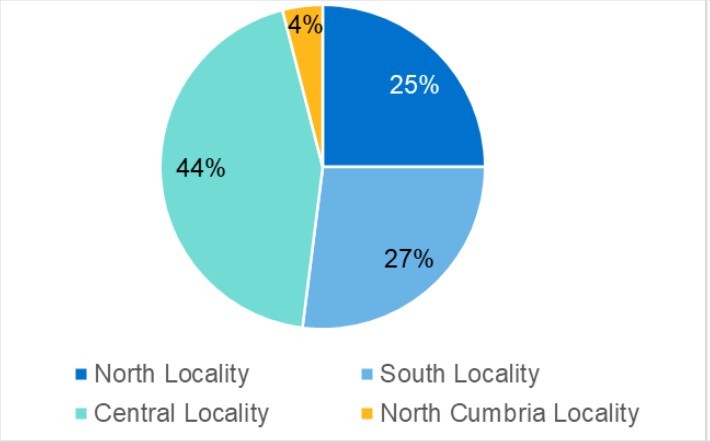
Current volunteers (Jun-22)
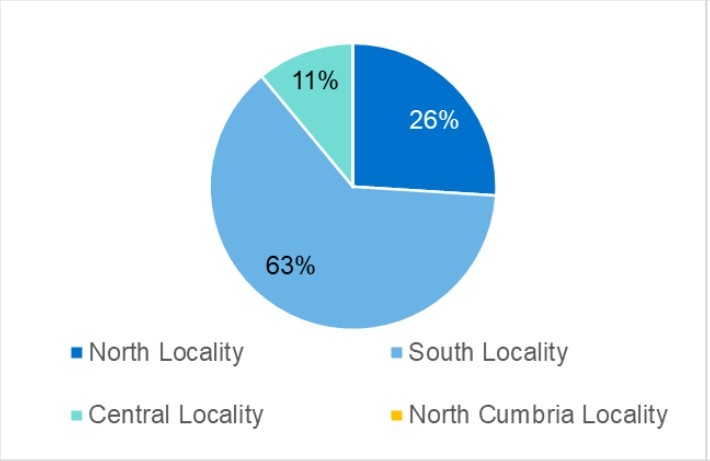
Waiting Volunteers
(total of 52 waiting to return to volunteer/volunteer first time)
3. New/returning/upcoming/ *requests
- Social Activities - Alnmouth, Bluebell, Kinnersley and Woodhorn St George’s Park
- Chaplaincy Volunteers, St George’s Park
- Woodwork Volunteer, Northgate Hospital
- Northumberland Recovery College
- Meet and Greet Volunteers
- Volunteer Drivers
- Schwartz-Round Admin Support Volunteer
- Community Befriending, West Northumberland
- Chaplaincy Volunteers, Hopewood Park
- PALS Volunteer, Hopewood Park
- STARR Team, Walkergate Park
- Sunderland Recovery College (partnership working)
- Social Activities - Springrise, Hopewood Park
- Social Activities - Brooke House, Hopewood Park
- Gateway Recovery College Volunteers
- Gender Dysphoria Service (chaperone out of area)
- Mental Health and Deafness Service Volunteers
- Northumberland Head Injury Service Volunteers
- Tea at 2 - Occupational Therapy, Hopewood Park
- Ward 31A, Eating Disorders, Royal Victoria Infirmary
- Headway Support Group, Walkergate Park
- Social Activities - Castleside Day Hospital, Campus for Ageing and Vitality
- Social Activities - Willow View, St Nicholas Hospital
- Hospital Shop, St Nicholas Hospital (NTW Solutions)
- Church View Allotment Volunteers
- Social Activities - Bede Ward, St Nicholas Hospital
- Social Activities - Elm House, Bensham, Gateshead
- Community Befriending
- Exercise Therapy Volunteers
- Social Activities - Fellside, Lamesley wards
- Social Activities – Akenside, Campus for Ageing and Vitality
- Social Activities - Hadrian Unit, Carleton Clinic
- Social Activities - Oakwood, Carleton Clinic
- OT Carleton Clinic Volunteers (shared garden space)
- Social Activities - Ruskin Unit, Carleton Clinic
- Covid-19/vaccine clinics
- Community Befriending
- Feedback Volunteers
- CQC Mock Inspections Volunteers
- Psychology Volunteers
- Communications (including Patient Information Centre and Marketing Departments) - admin and promotional support (ad hoc basis)
- Thrive roadshows (ad hoc basis)
- CNTW recruitment, promotion and fundraising events - admin and promotional support (ad hoc basis)
- Cultural Diversity Staff Network - admin support (ad hoc basis)
- Dietetics - admin support (ad hoc basis)
- Occupational Therapy Groups, SGP
- Admission and discharge packages
Acknowledgement
The creation, content and development of our very first Volunteer Involvement Strategy would not have been possible without the time and support from so many people.
I extend my sincere thanks to Ken Jarrold CBE (Chair – Council of Governors and Board of Directors), Ramona Duguid (Chief Operating Officer and Executive Sponsor), David Muir (Group Director with corporate responsibility for Voluntary Services), Rebecca, Billy and Joanne (Voluntary Services team members), Karen O’Rourke and Barbara Charlton (Communications Team), Trust-wide staff colleagues and our volunteers for their valuable contributions and unwavering support to volunteer involvement.
A special thank you to those who kindly agreed to share their ‘volunteer to career’ journey - Diane, Paul and Francesca.
Wendy M Spratt
Head of Volunteer Involvement
“The entire team really enjoy working with our Social Activity Volunteers as they all bring something unique and make such a positive contribution to the service. I value the time and efforts they put into their role and know the patients all enjoy their company too. We have been able to offer such a diverse range of additional activities such as ukulele playing, healthy walks, baking sessions, table games and reminiscence work that have been so beneficial to the patients. Many thanks to all our wonderful volunteers”
A CNTW Ward Manager
“Before I started volunteering I had no direction, confidence and self-esteem, within 9 months I have fulfilled my dream of a full time job, am confident and believe in myself now. Volunteering gave me a new start in life.”
Social Activities Volunteer
“I have learnt so much from [service user name], she has helped me become more outgoing. She is so positive and always smiling and this has helped me so much. Volunteering will be the best decision you will ever make, it enhances your life. Support from Voluntary Services has been brilliant, always available for advice and I was never scared to ask. Volunteering has helped me to become a manager in my current career, it has improved my self esteem so much.”
Volunteer Befriender