
Some attention deficit hyperactivity disorder (ADHD) medicines can make people feel less hungry. This can happen when someone starts a new medicine.
It can make it hard to keep a healthy weight.
Other things that can make things harder are:
- forgetting to eat
- not liking the taste or feel of some foods
- not having a set routine
Eating well is very important for children and young people. Children need enough energy from food. This helps them grow, learn, and feel well.
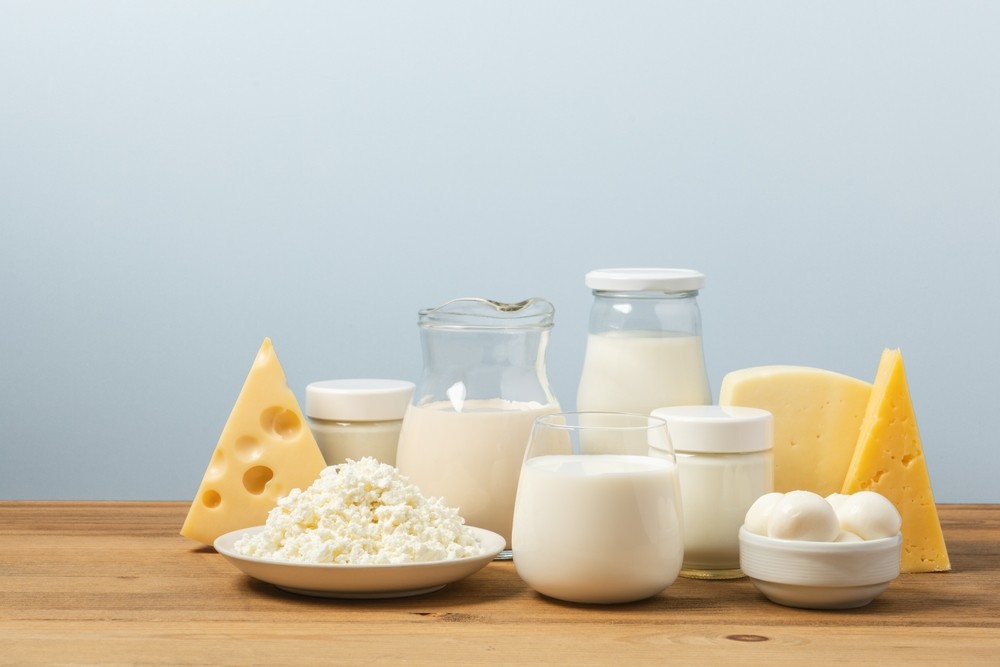
Here are some ideas:
- add foods like mayonnaise, cheese, peanut butter, cream, butter, or yoghurt
- put butter or cheese on potatoes
- use creamy sauces with pasta
- use whole milk in drinks and meals
- add full-fat yoghurt to cereal or curries
- add ice cream or custard to puddings
- use spreads and dips
- offer juice, smoothies, or milkshakes
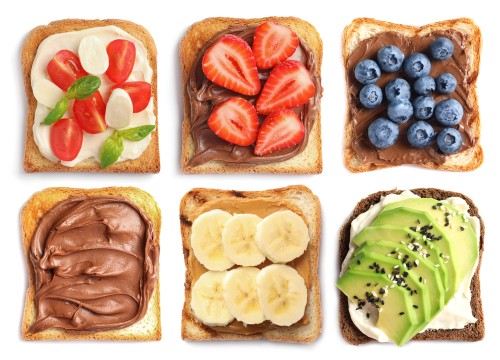
Try to plan snack times during the day.
Choose snacks they enjoy.
Some high energy snacks include:
- chocolate spread with breadsticks or fruit
- dips like cheese and chive, or houmous with crisps/breadsticks
- pudding or fruit with custard or ice cream
- chocolate or biscuits
- flapjacks or traybakes
- ice cream
- Give food before they take medication. Such as at breakfast or when they feel most hungry.
- Try to follow a routine of three meals and three snacks each day.
- Use alarms or reminders around the home.
- Use a chart to track meals and give rewards.
- Let them help with making food.
- Give praise and support at mealtimes.
- Offer snacks during travel or when they change what they are doing. Like after a walk.
Remember, you do not need to eat typical foods at certain times. For example, cereal does not have to be just for breakfast.
Focus on what they enjoy.
Ask them what they like to eat.
Created in partnership by the ADHD and dietetics team
This leaflet gives information only. It does not replace advice from your dietitian or GP/family doctor.
Contact the Patient Information Centre for:
- Information sources
- Production details
- Audio
- Large print
- Easy read
- Braille
- British Sign Language
- Other languages
We welcome your feedback about this leaflet.
Call the Patient Information Centre on 0191 246 7288
Copyright © 2026 Cumbria, Northumberland, Tyne and Wear NHS Foundation Trust
Ref: PIC/955/0426 April 2026 V1
Review date: 2029
Website: www.
Find us on social media. Search for CNTW.